

Field notes from artist Dr. Jabani Bennett on her Great Meadows Foundation Artist Professional Development Grant trip to Los Angeles
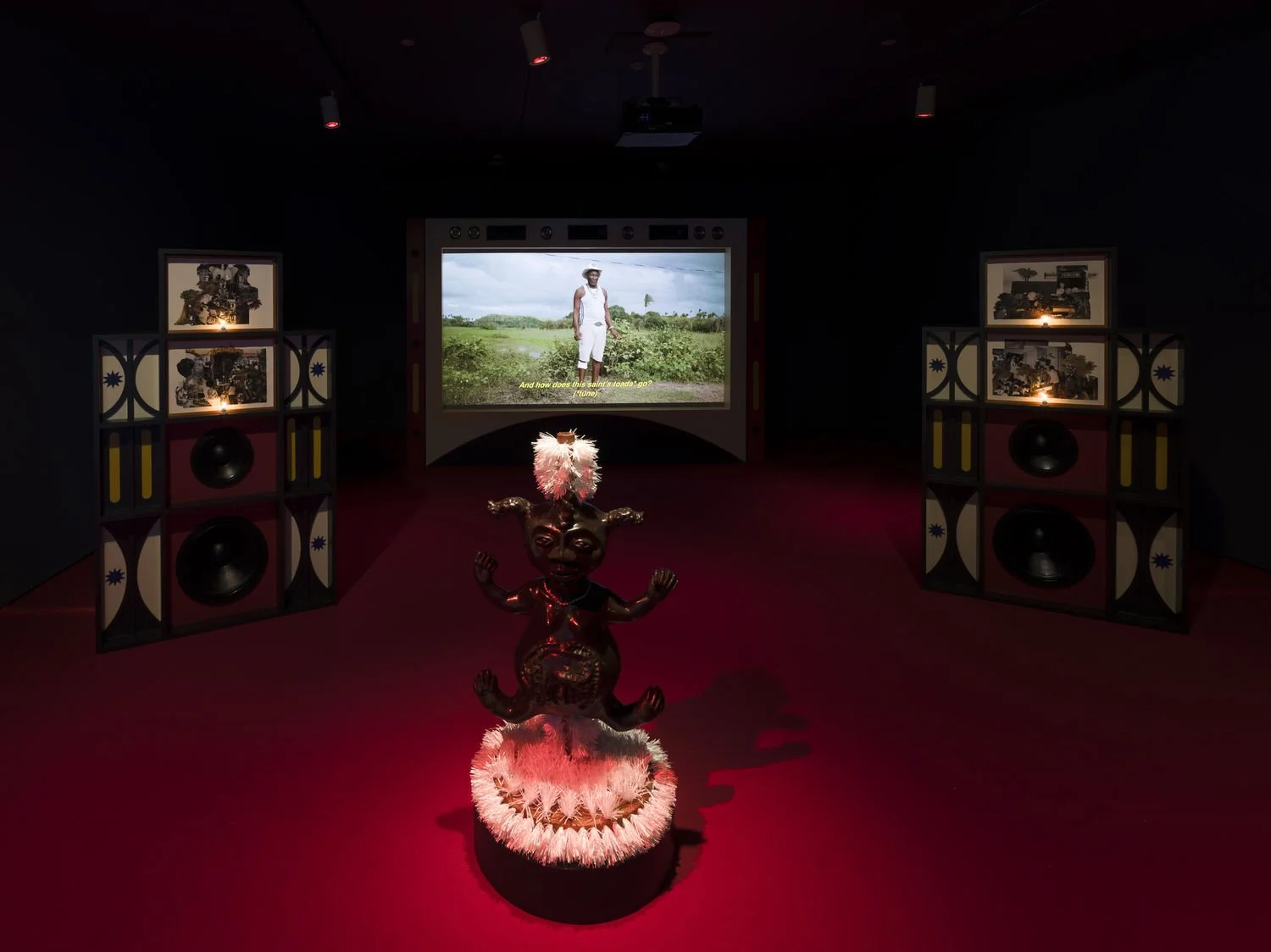
Hammer Projects: Gê Viana, installation view. Photo via the Hammer Museum and Jeff McLane.
I have ancestral crushes on people I never met. Take Samuel Plato, the pioneering Black architect who helped define Louisville’s landscape, or Thomas Fountain Blue, who led the nation's first Black-staffed public library serving African Americans, right here in Louisville. These visionaries didn't wait for a seat at the table. They helped create spaces where diasporic knowledge and imagination could be studied, celebrated, and reimagined—cultural legacies reaching far beyond the city.
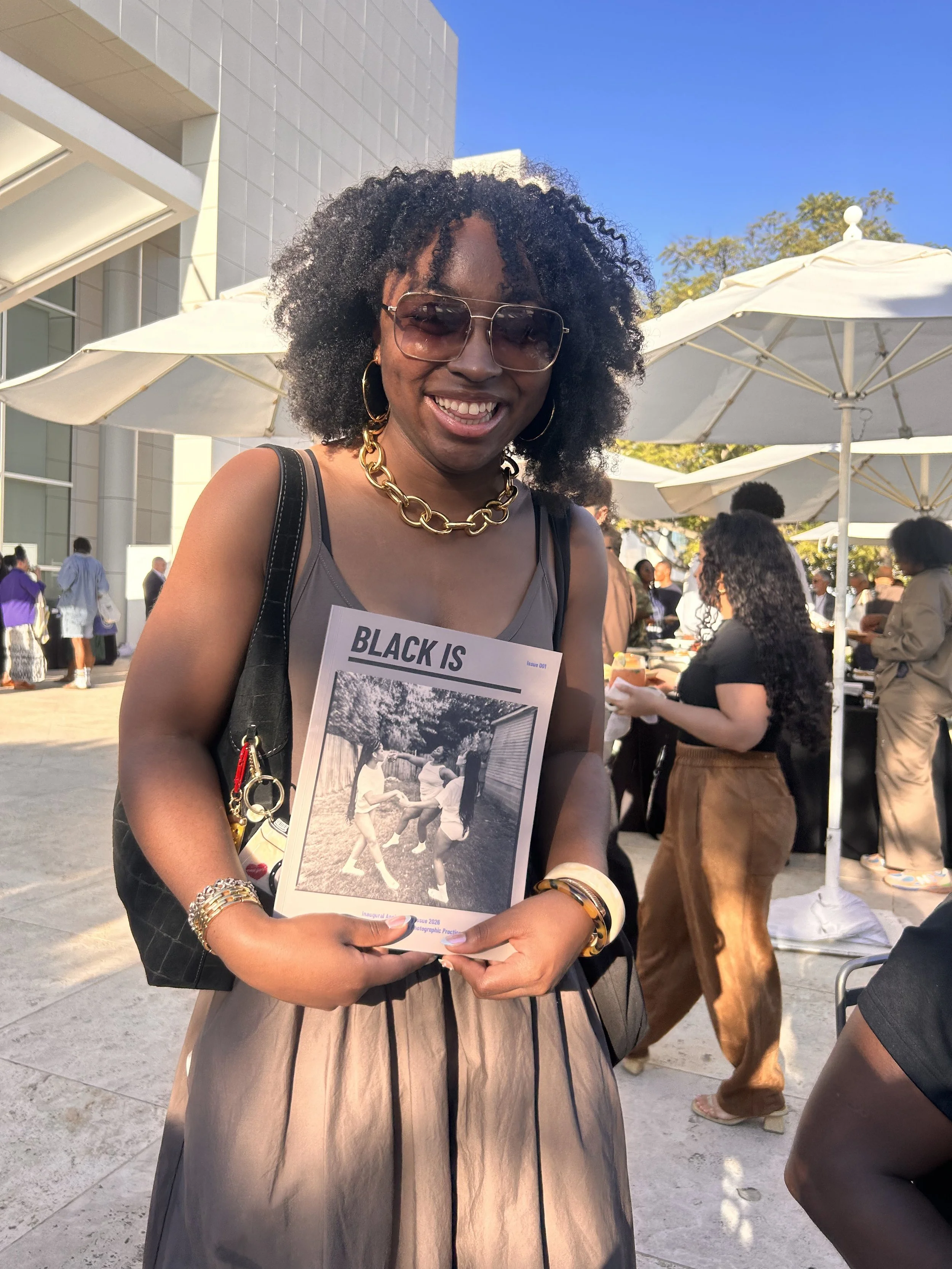
Their legacies accompanied me to Los Angeles in September 2026, when a Great Meadows Foundation grant supported my attendance at Black Portraiture[s]: The Black Built Environment at the University of California, Los Angeles and the Getty Center. I arrived as a Kentucky-based artist, writer, mother, and public school educator interested in portraiture, cultural inheritance, and material storytelling. I left with something deeply necessary: I found my people.
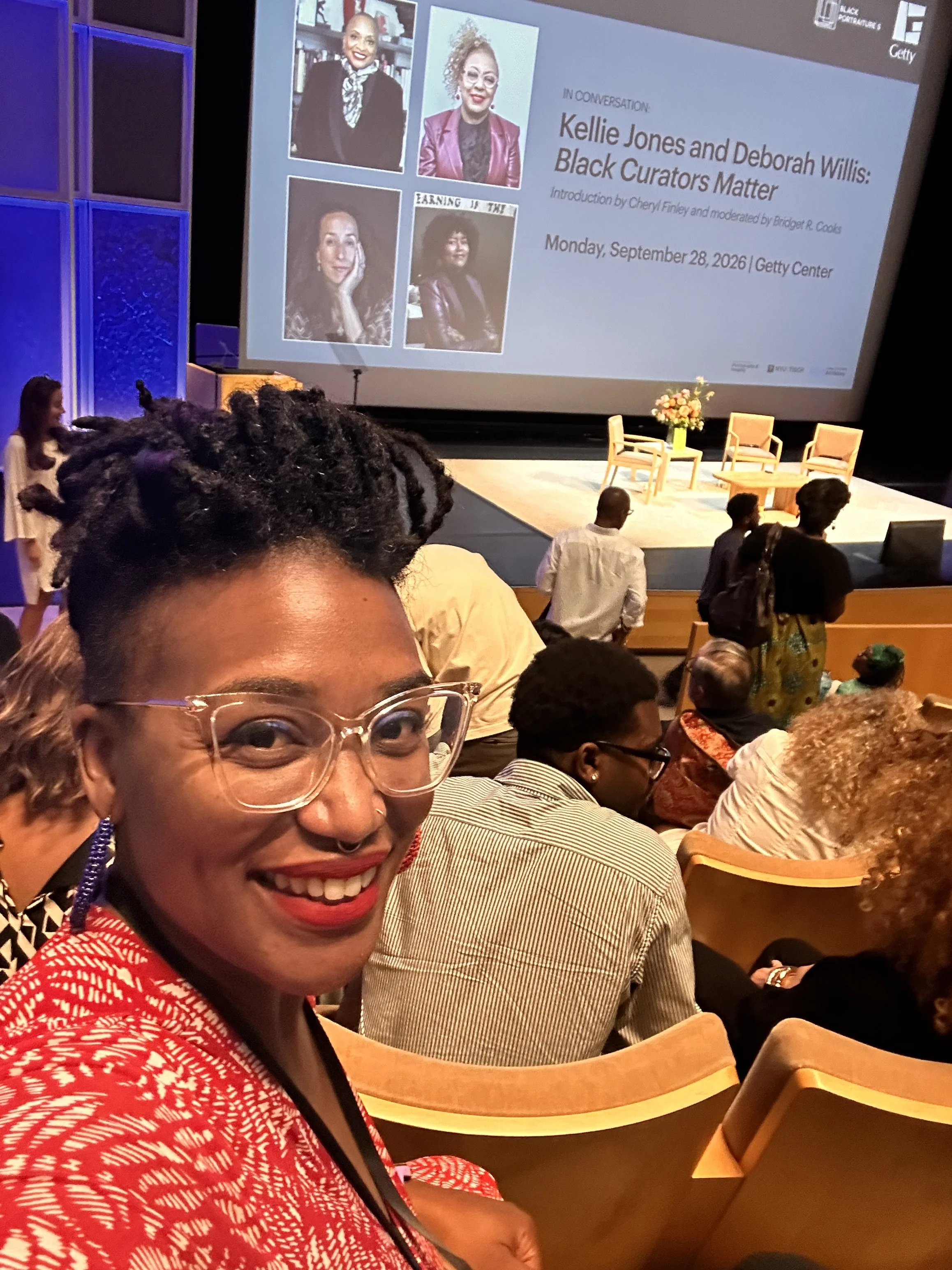
Photos via Dr. Jabani Bennett (unless otherwise stated).
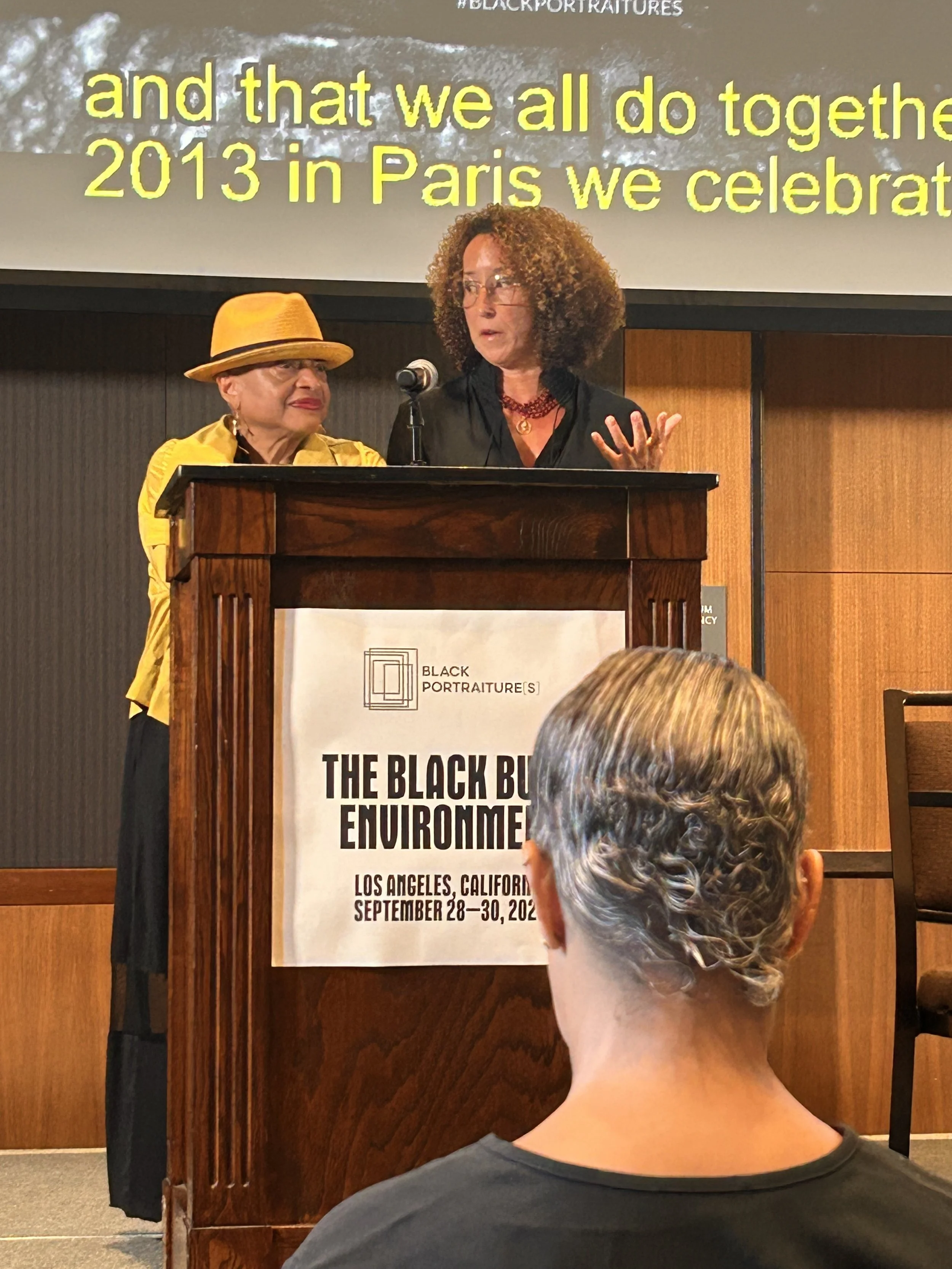
For years, I have wanted to talk endlessly about Black visual culture—its histories, contradictions, aesthetics, and futures. Finding others who shared that passion hasn't always been easy. In Los Angeles, artists, curators, scholars, and collectors engaged with Black cultural production with exhilarating fluency and generosity.
The conference expanded my understanding of its central theme: the Black built environment. Architecture was not separate from painting, photography, performance, or everyday life. Presenters explored spaces Black people create through movement, music, wellness traditions, relationships, and collective care. A built environment might be a library or neighborhood, but also a gathering where Black bodies can learn, rest, dance, and feel welcome. A favorite workshop featured Beau McCall, who transforms buttons into intricate works holding histories of adornment, memory, and Black life. His materials made me reconsider objects we inherit, discard, and remake—and how art builds worlds from what is already at hand.
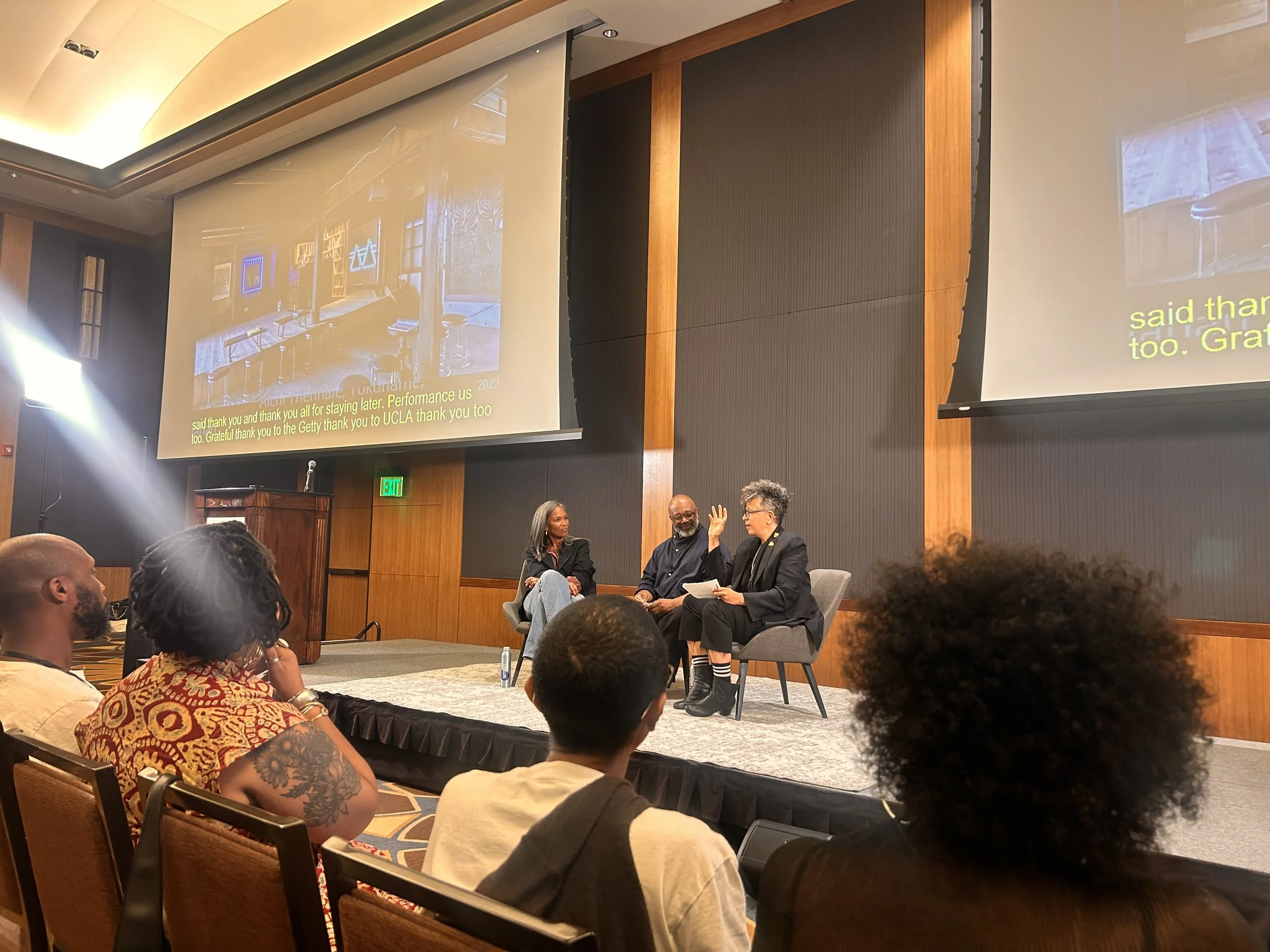
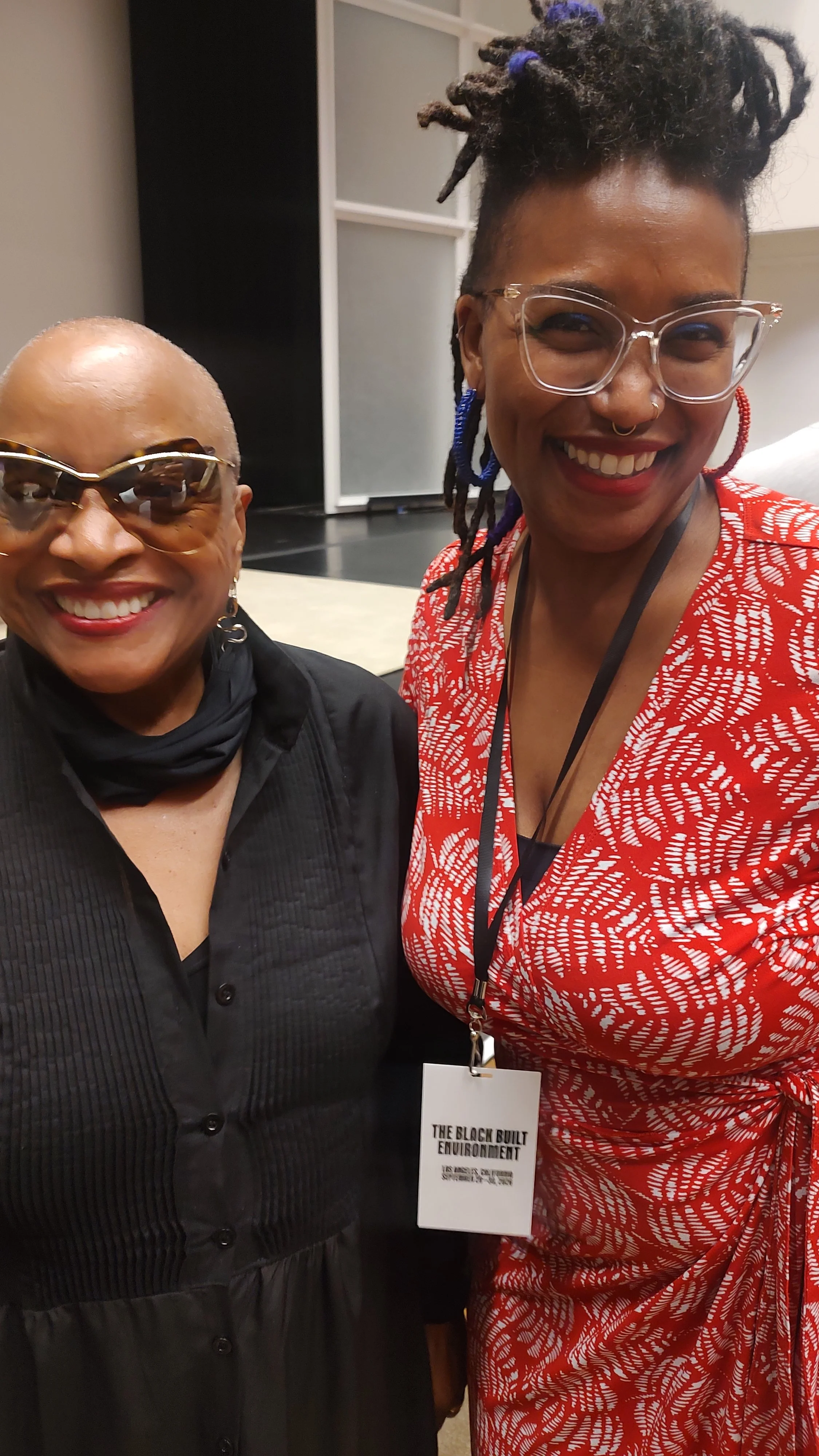
Meeting Dr. Deborah Willis, one of the co-founders of Black Portraiture[s], brought that idea into focus. Her groundbreaking scholarship on African American photography is foundational, but I was equally moved by her kindness and commitment to fostering intellectual rigor, mentorship, and international collaboration. Conversations with Black art collectors at the conference reminded me of the late Peggy Cooper Cafritz, whom I knew during my years in New York City and visits to Washington, D.C. Cafritz was an early collector of Stan Squirewell, my daughter's father, a renowned Louisville-based artist. These connections showed me that Black cultural worlds thrive through people who share knowledge, recognize potential, and invest in one another.
Beyond the conference, Los Angeles's museums offered another kind of education. I was struck by their accessibility, with most offering free admission and welcoming spaces where people could gather, linger, and belong. The Hammer Museum particularly embodied this spirit through its open courtyard and inviting spaces for students and community members—a refreshing contrast to the exclusivity often associated with the art world. Inside, Huguette Caland's experiments with linen and clothing expanded my sense of painting's possibilities, while Brazilian artist Gê Viana's vibrant installation and film inspired me to consider moving images as an extension of my portraiture and still lifes.
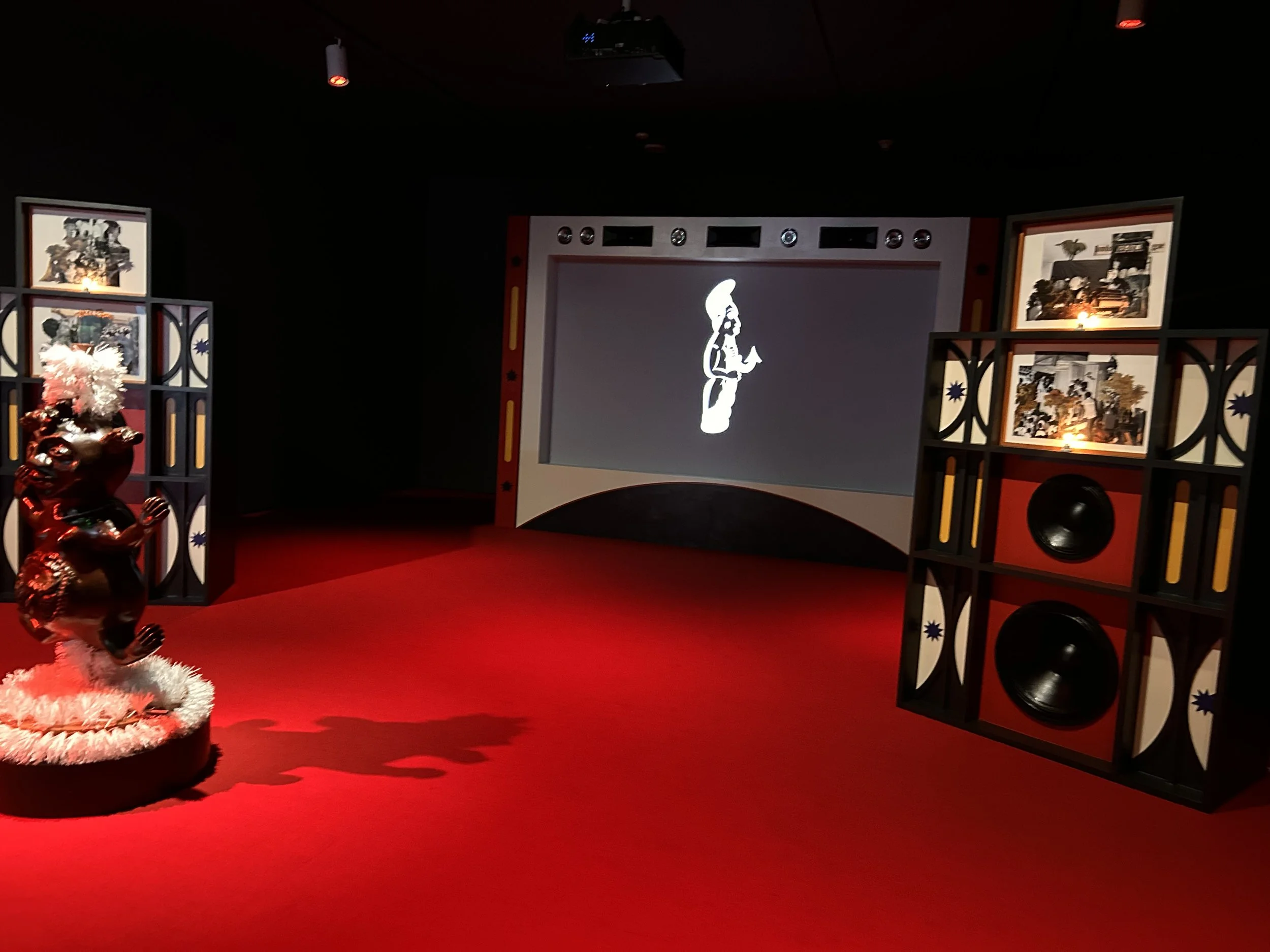
Hammer Projects: Gê Viana, installation view.
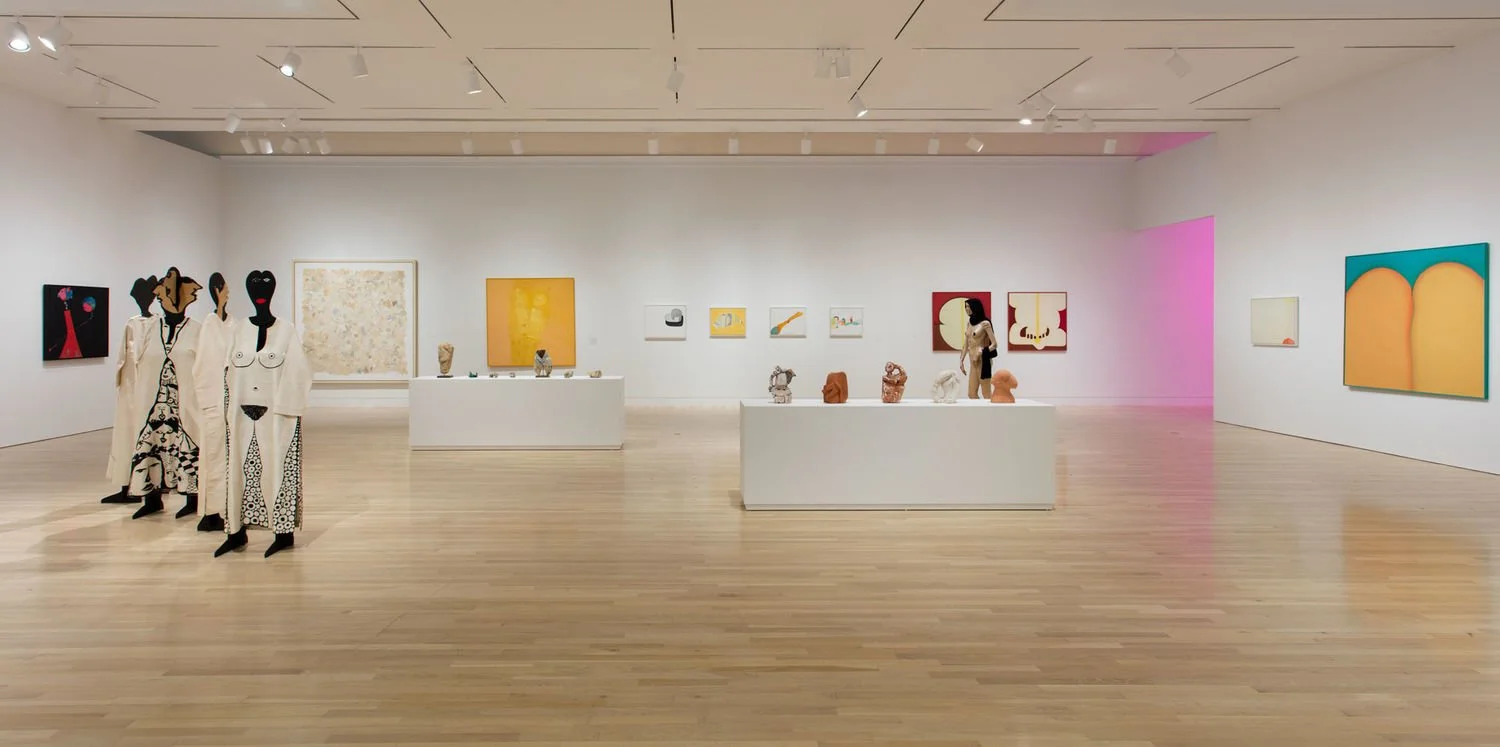
Made in L.A. 2016: a, the, though, only, installation view. Work by Huguette Caland. Photo via the Hammer Museum and Brian Forrest.
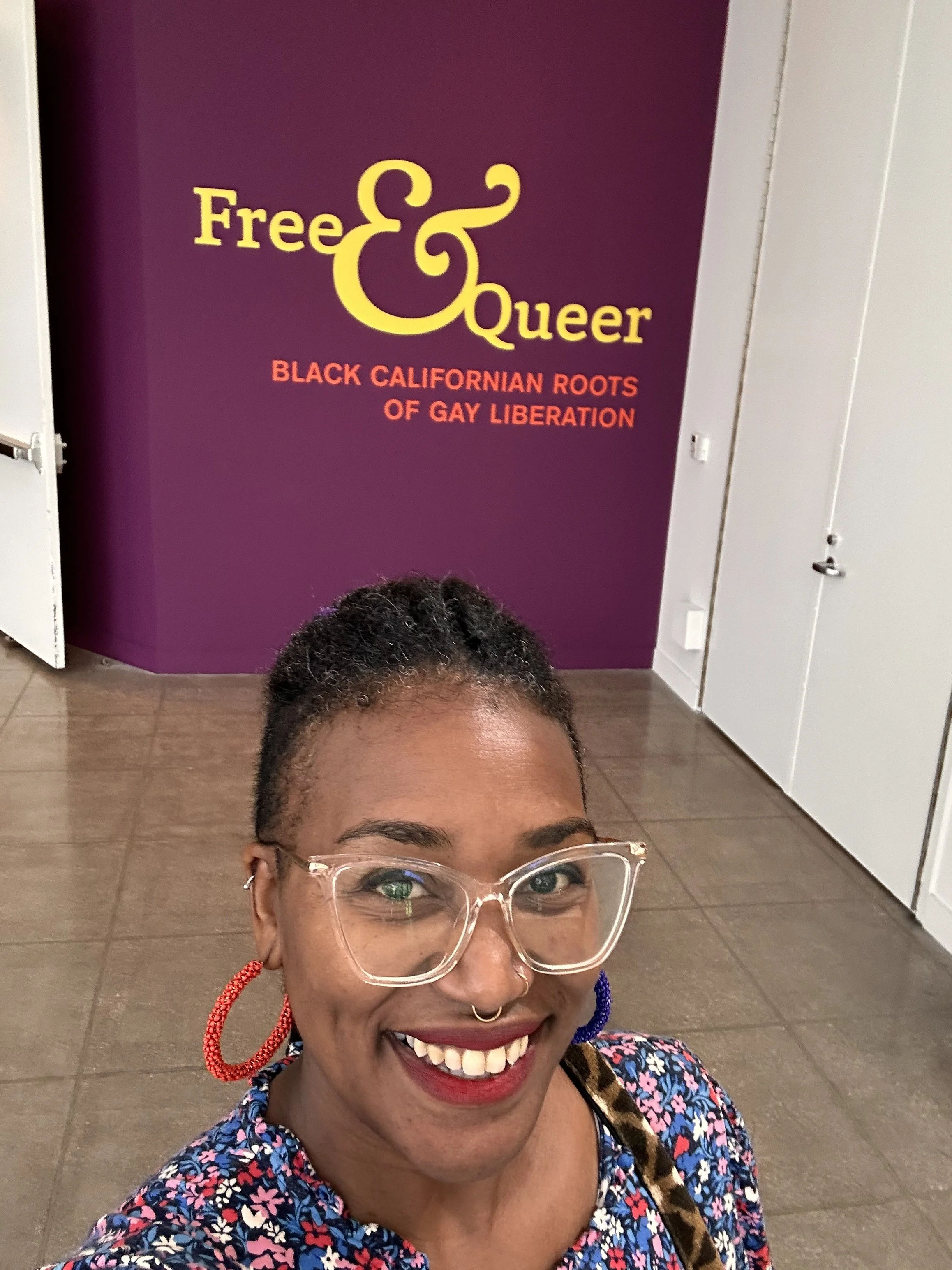
At the California African American Museum, I unexpectedly met scholar Imani Perry, whose writing on Kentucky-born Gayl Jones resonates with my Southern roots. The exhibition Free and Queer: Black Californian Roots of Gay Liberation asked something intimate of me: What courage does it take to live and create freely as a Black queer woman?
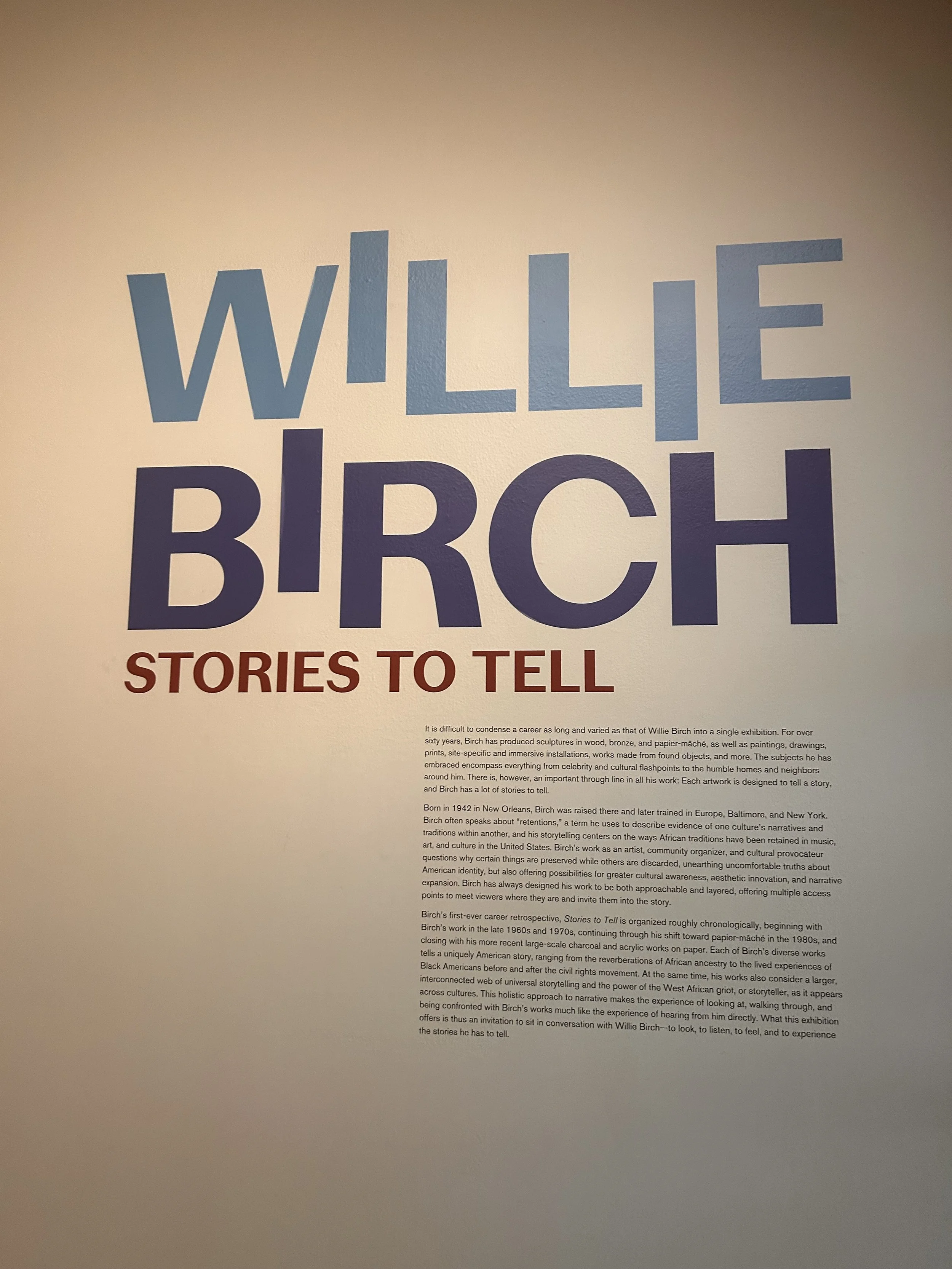
Willie Birch's retrospective, Stories to Tell, also at the California African American Museum, stayed with me most. His evolving visual language reminded me of artists whose decades of practice have shaped Louisville's cultural landscape, including Sunshine Joe Mallard, William Duffy, Elmer Lucille Allen and Dr. Robert Douglas. Their work resists the notion that artists must arrive on anybody else's schedule. I left eager to experiment and more at peace with my own timeline.
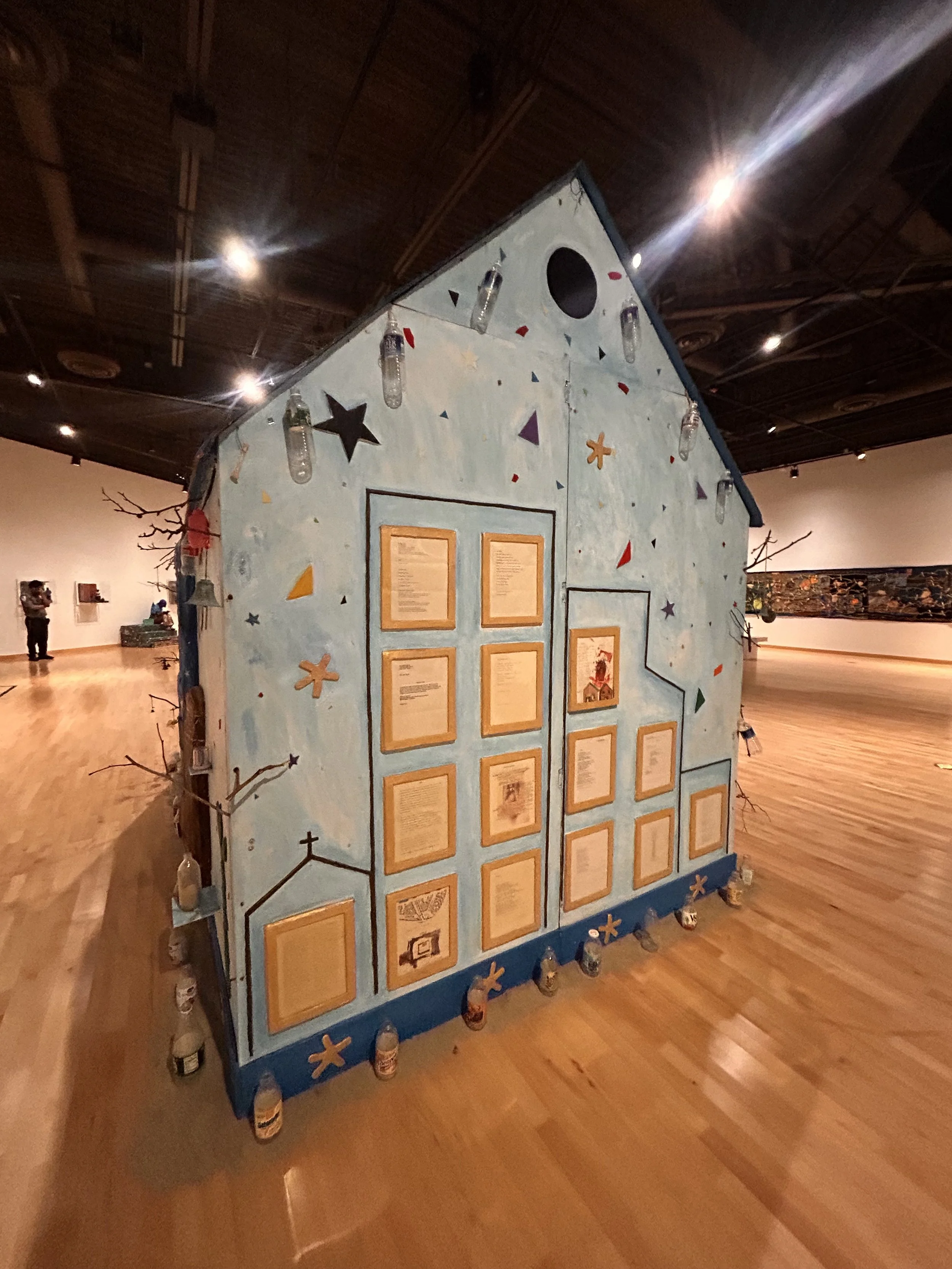
Spirit House, Willie Birch, 1993/2026.
Leaving museum galleries for the streets of Leimert Park, I encountered Black cultural world-building in another form: a quiet plaza, visible hardship, and storefronts alive with African diasporic traditions. At the late Sika Dwimfo's shop, I spoke with his wife and daughter about community-led development. Their reflections revealed how Black-owned cultural spaces embody resilience, resourcefulness, and the ongoing politics of belonging. I thought of Louisville's West End, where place-keeping also means sustaining the people and practices that make a neighborhood recognizable to itself.
Curiously, I did not fall in love with Los Angeles. Its sprawling roads and uneven greenery left me longing for another landscape. Having lived in Louisville and New York and traveled in Africa and Latin America, I still cannot name a geographic place that entirely feels like home.
Perhaps home is something we build and carry: in African diasporic music and dance, my family's photography and jazz traditions, and people who meet my curiosity with their own.
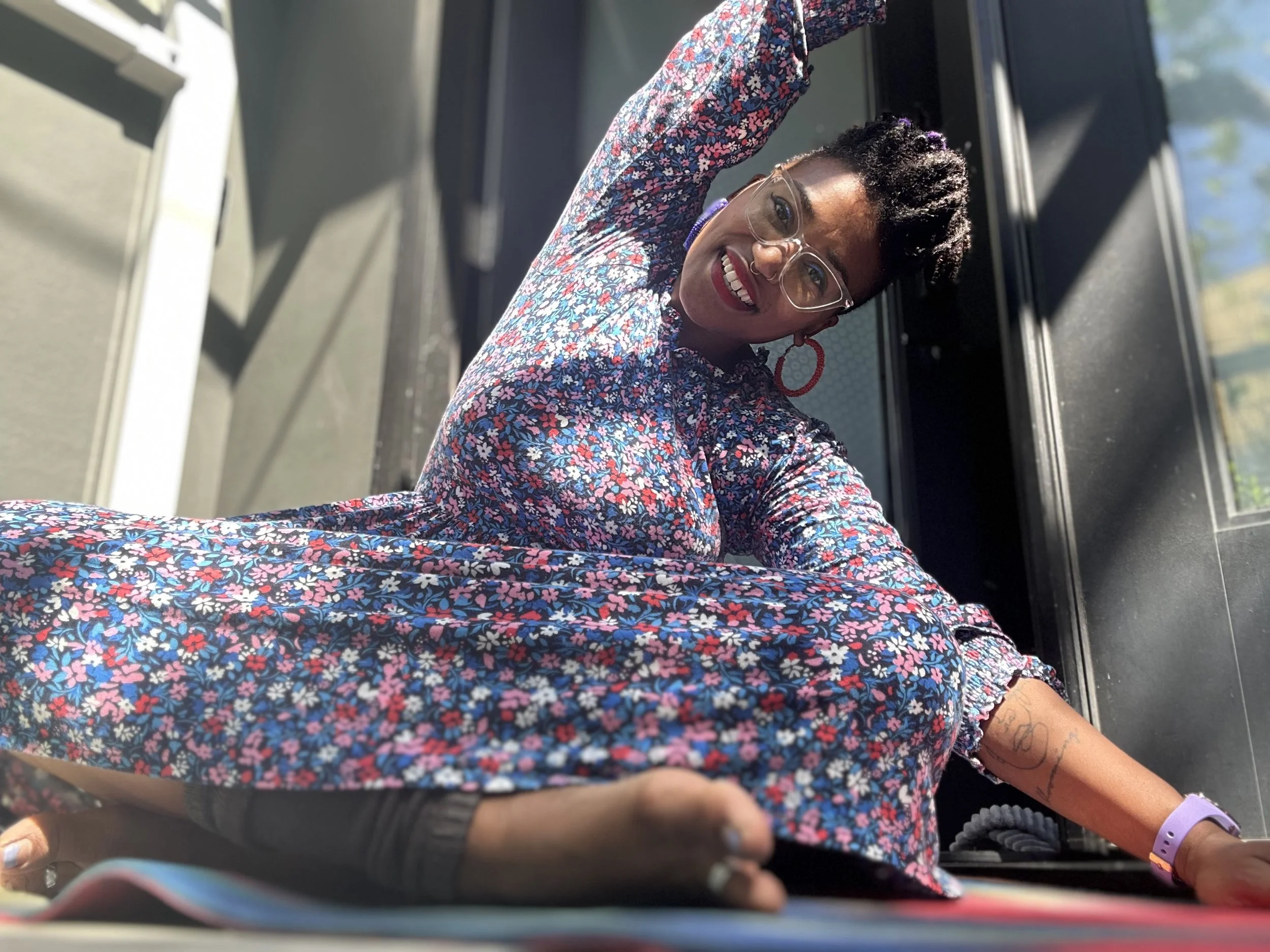
Samuel Plato and Thomas Fountain Blue built spaces for people they might never meet. In Los Angeles, I encountered people continuing that work through art, scholarship, movement, mentorship, and care. The Black built environment is not only brick and mortar; it is also the cultural architecture of our bodies and relationships.
I went looking for my people. Perhaps home is not simply a place we find, but a world we dare to build together.
