
Writing
HOME FOR CRITICAL & ACCESSIBLE CONVER- SATIONS ON ART IN KENTUCKY.
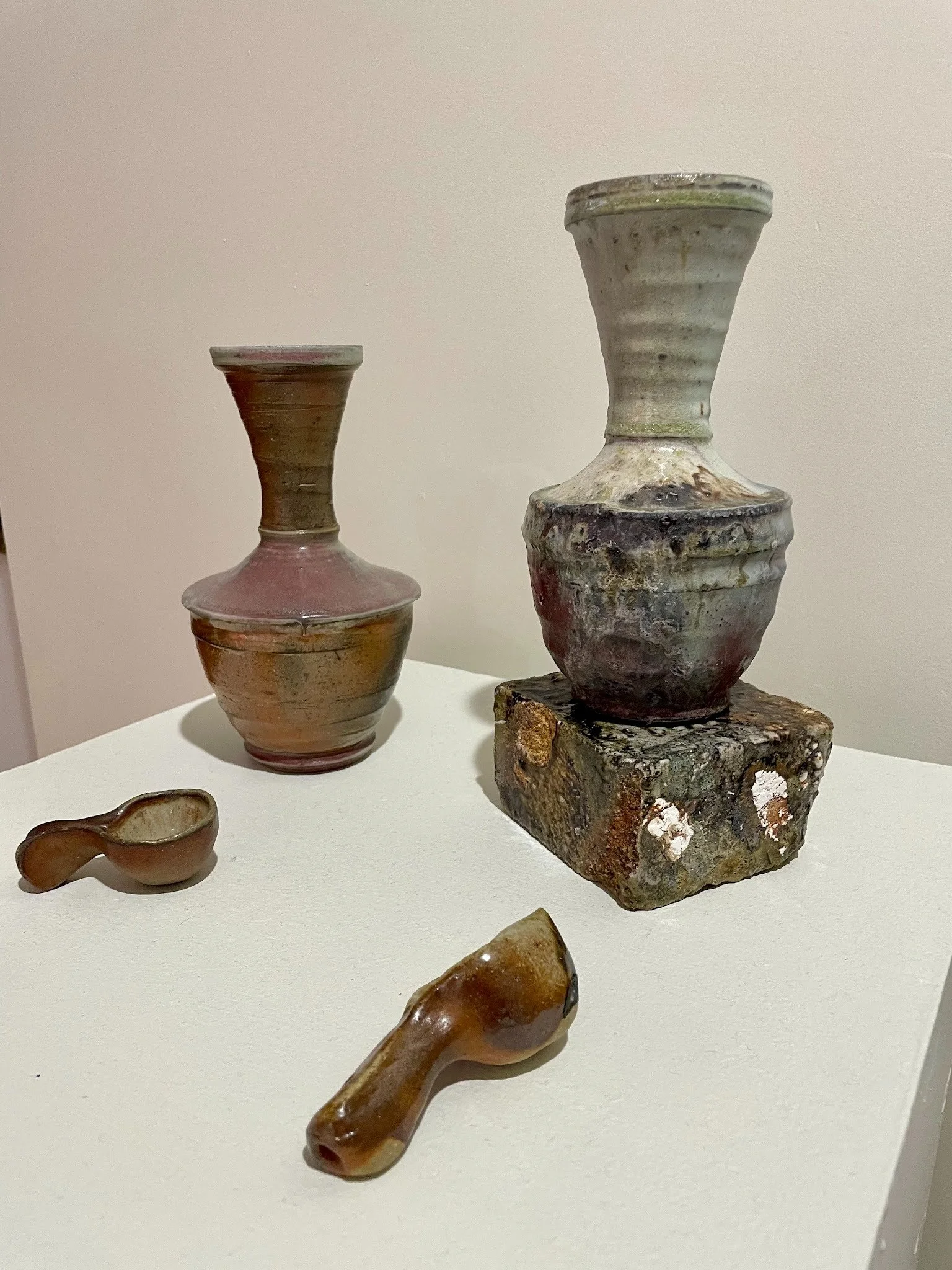
Each work captures a specific moment within the kiln, and now lives among the earth in permanence.
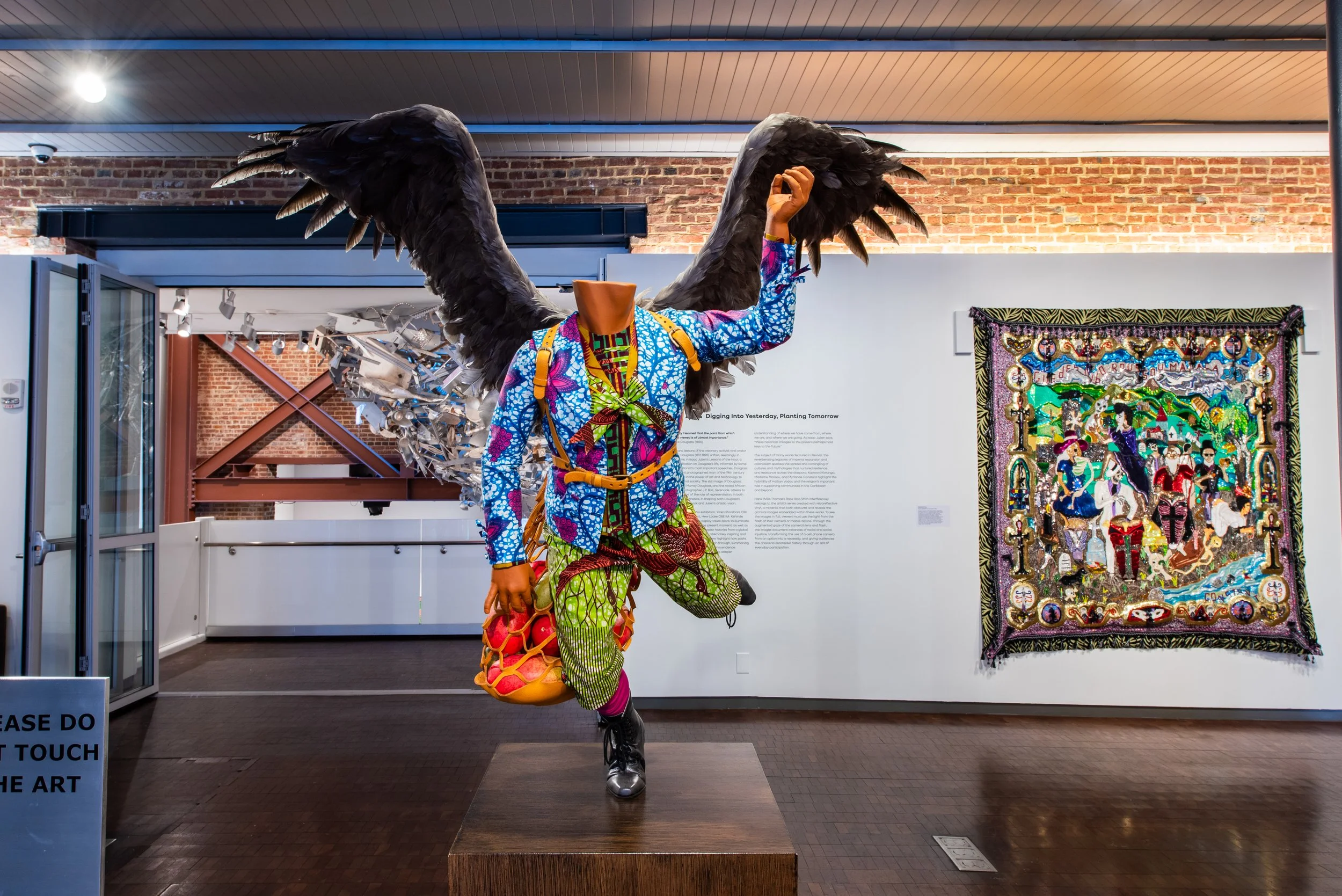
Visitors may amass knowledge and be reminded that at all times, we are individually and for the good of all, negotiating our history into what we want for our future.
When we start questioning that particular binary, we begin thinking about all of the other binaries that exist, the ways we’ve constructed them, and how we can start deconstructing them.
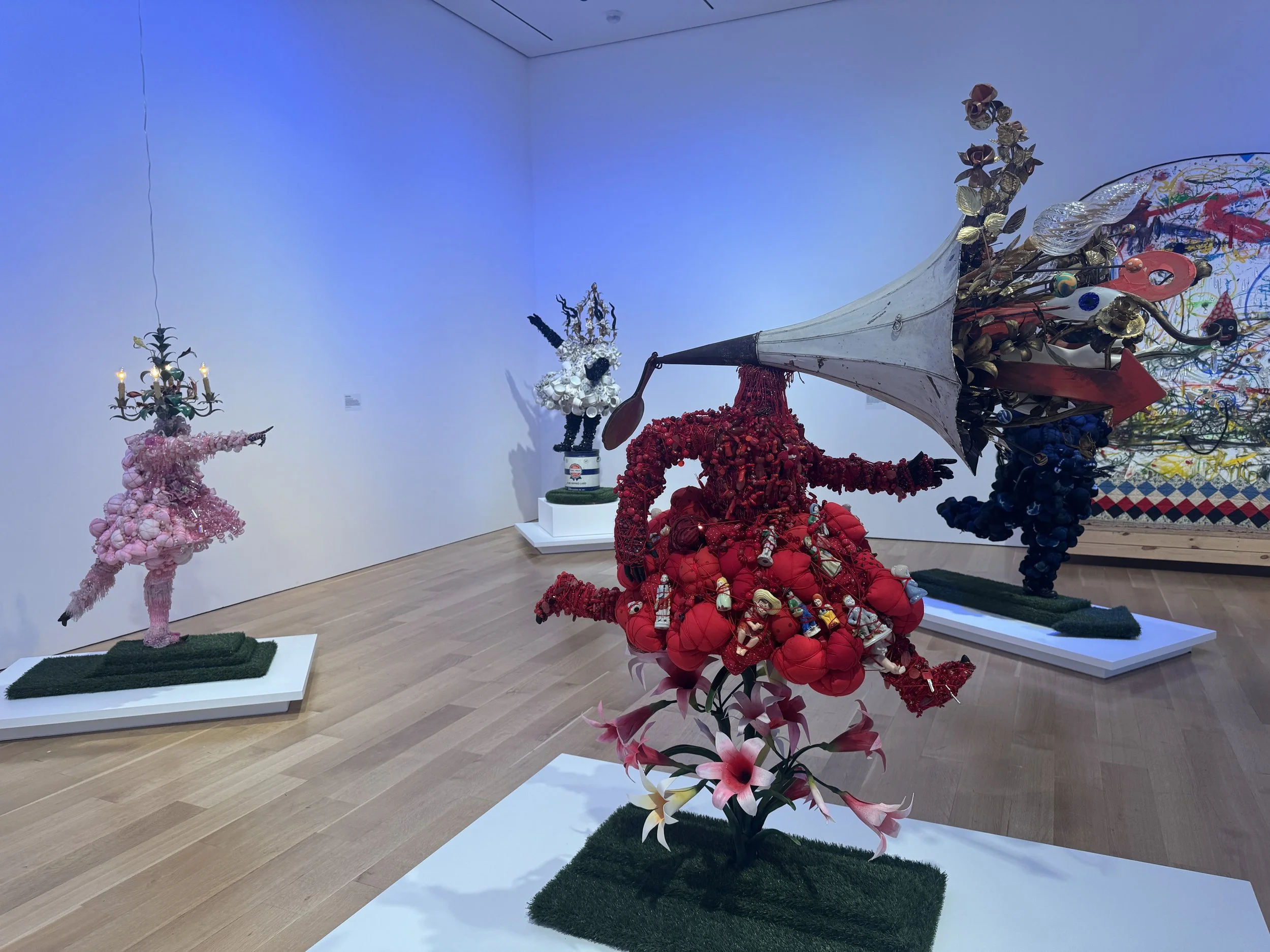
Through german’s assemblage sculptures and performances, the viewer has the opportunity to look back to the girls—to hear them—and forward into a future that holds space for more than just their suffering.
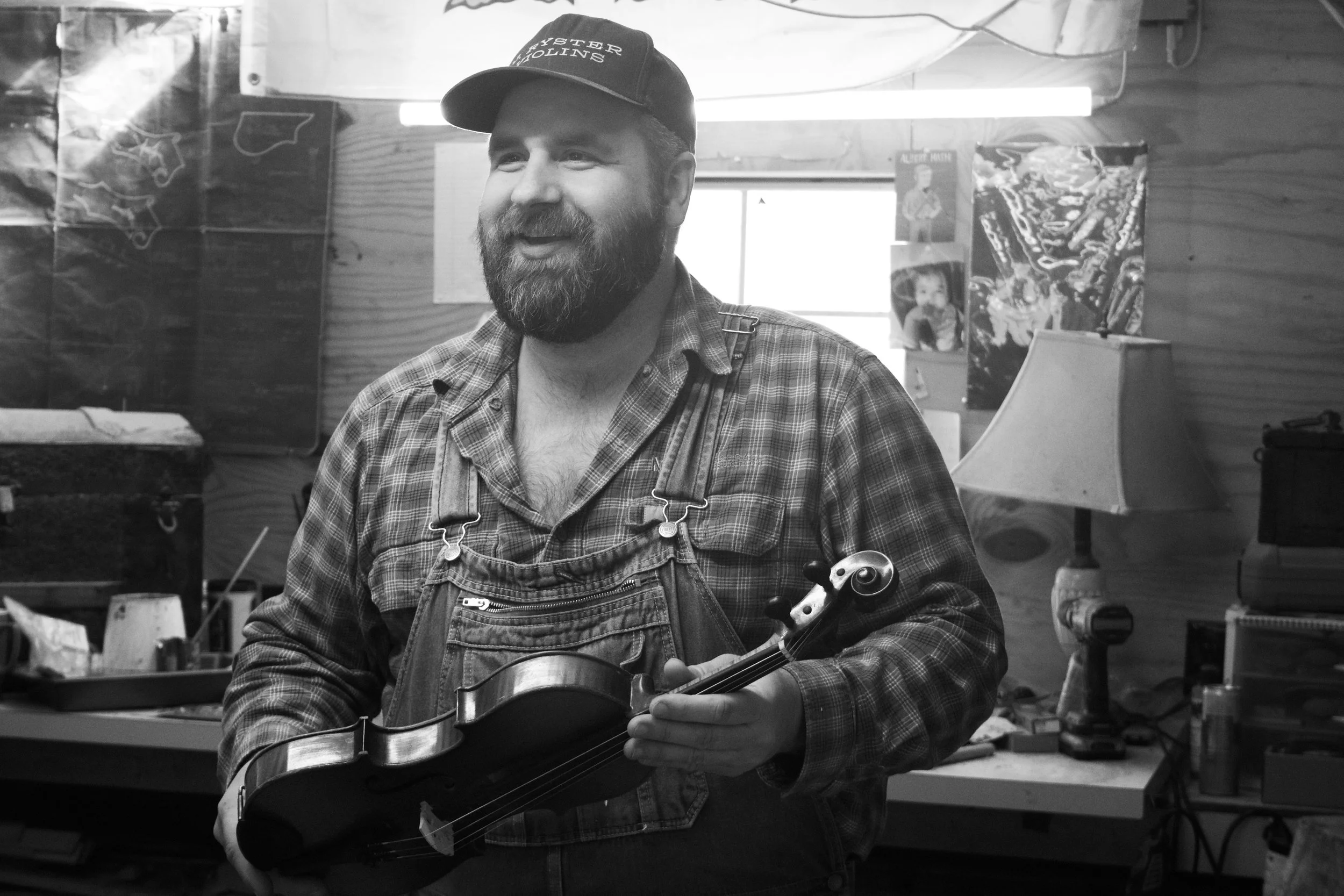
Johnny stretches over to a piled bench in the back of the shop and returns with a bow, handing it to Don as he surveys his new fiddle, spinning it with the fingers of his right hand, the base of the instrument resting in the palm of his left. He gingerly retrieves the bow from Ryster, bringing the fiddle to his chin, the bow hovering above the strings...
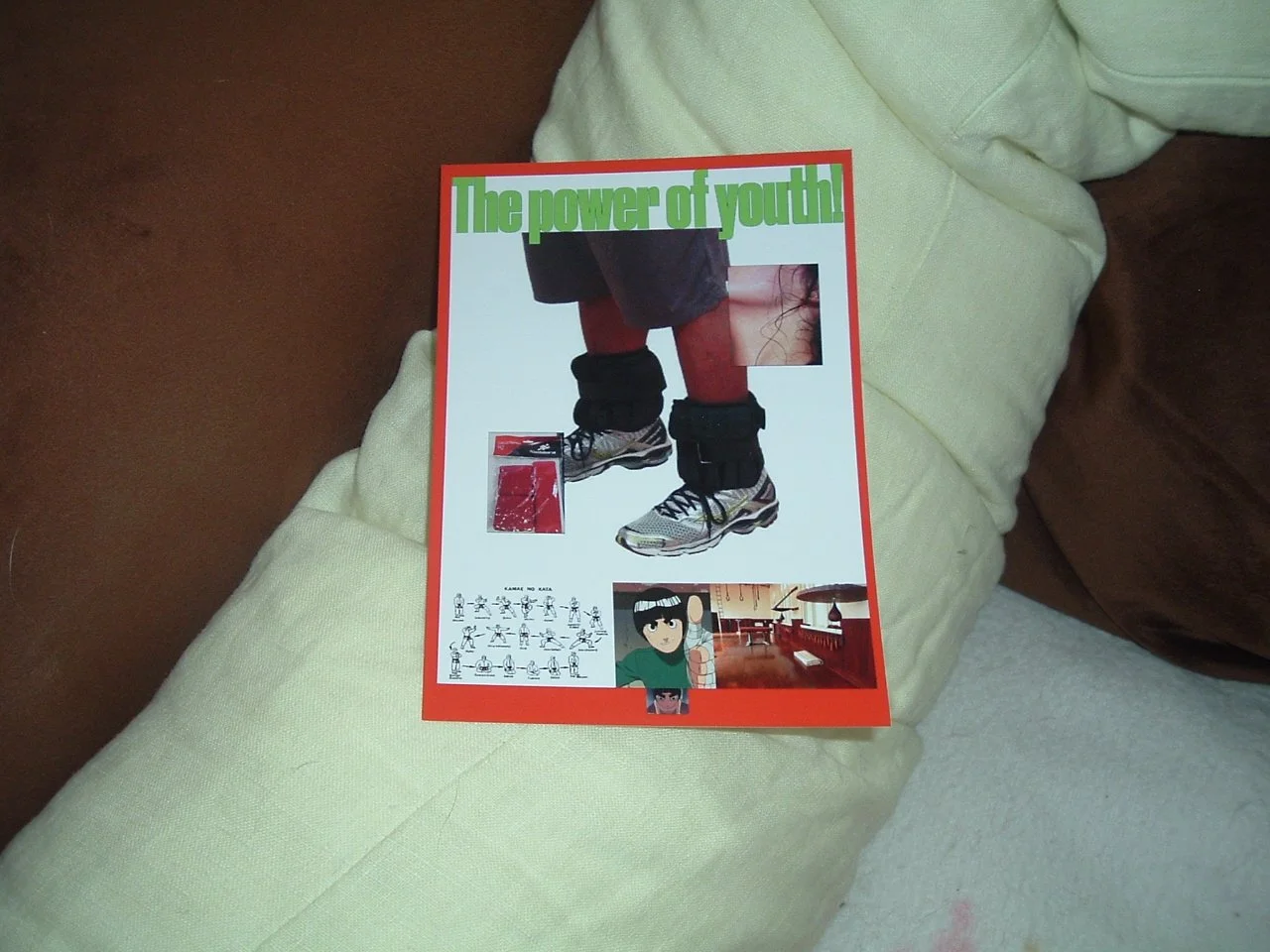
How to prove to the world you will be a splendid ninja without ninjutsu or genjutsu? Add this “The power of youth!” sticker to your repertoire and you’re all set.
Designed by Readysetgo (El Bruner). 5×7 inches.
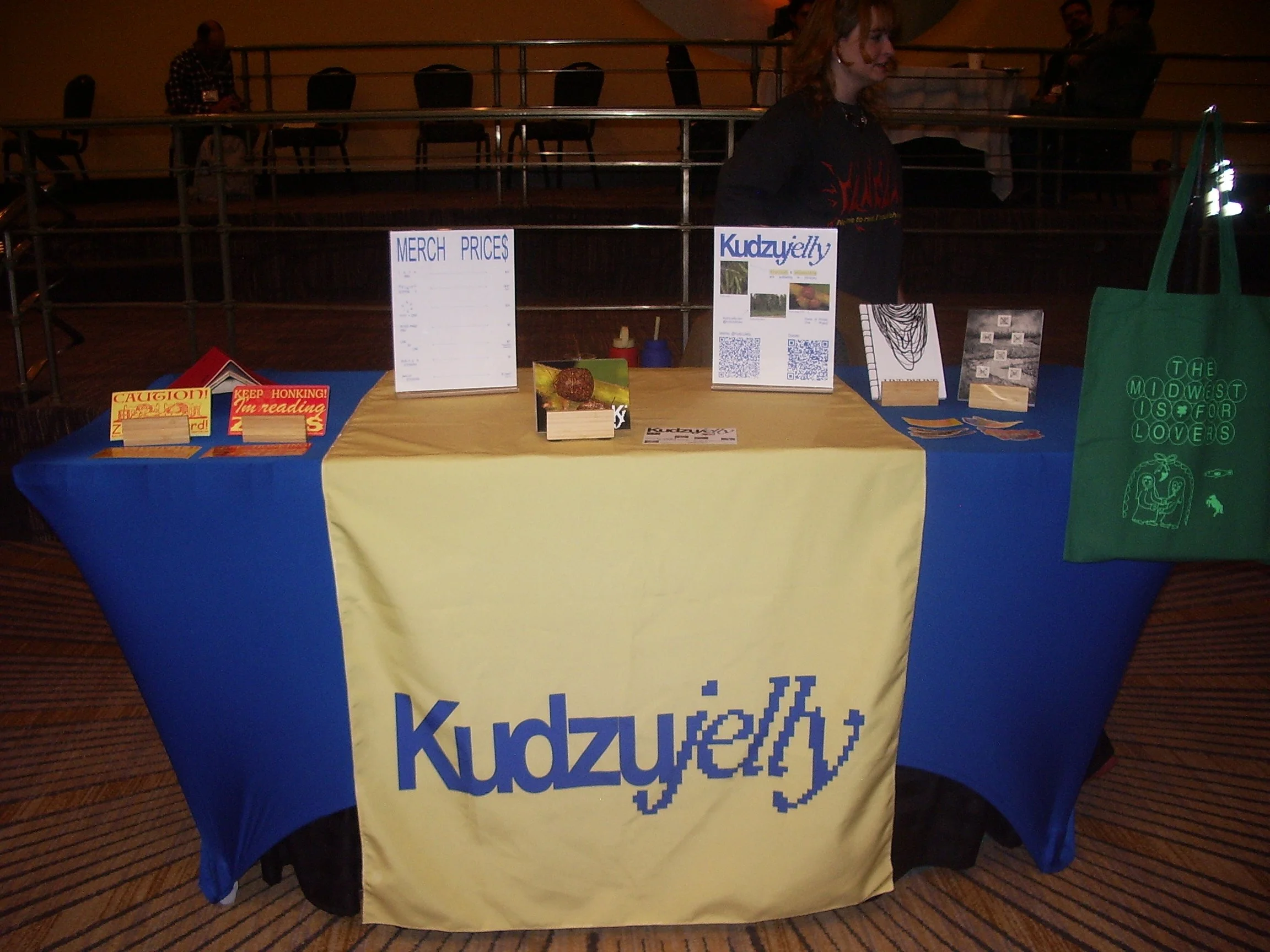
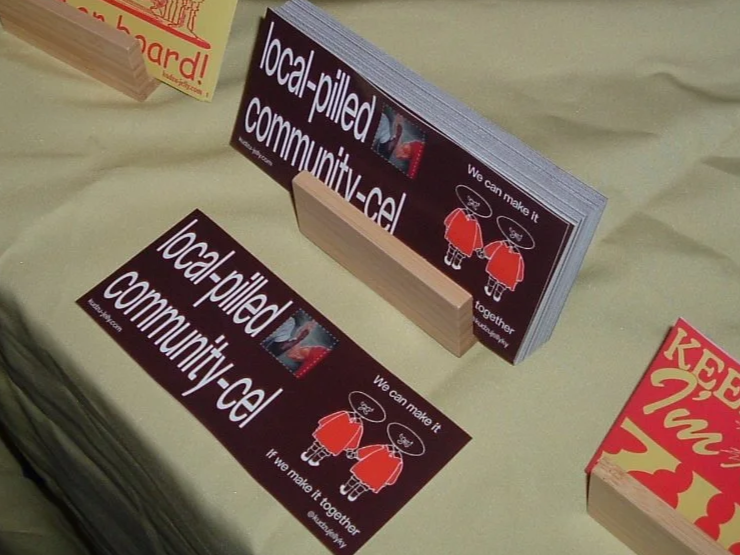
Does the lure of the local call to you? Show your community-maxxed sensibilities with this bumper sticker.
Bumper sticker printed by Gasoline Press. 7×3 inches.
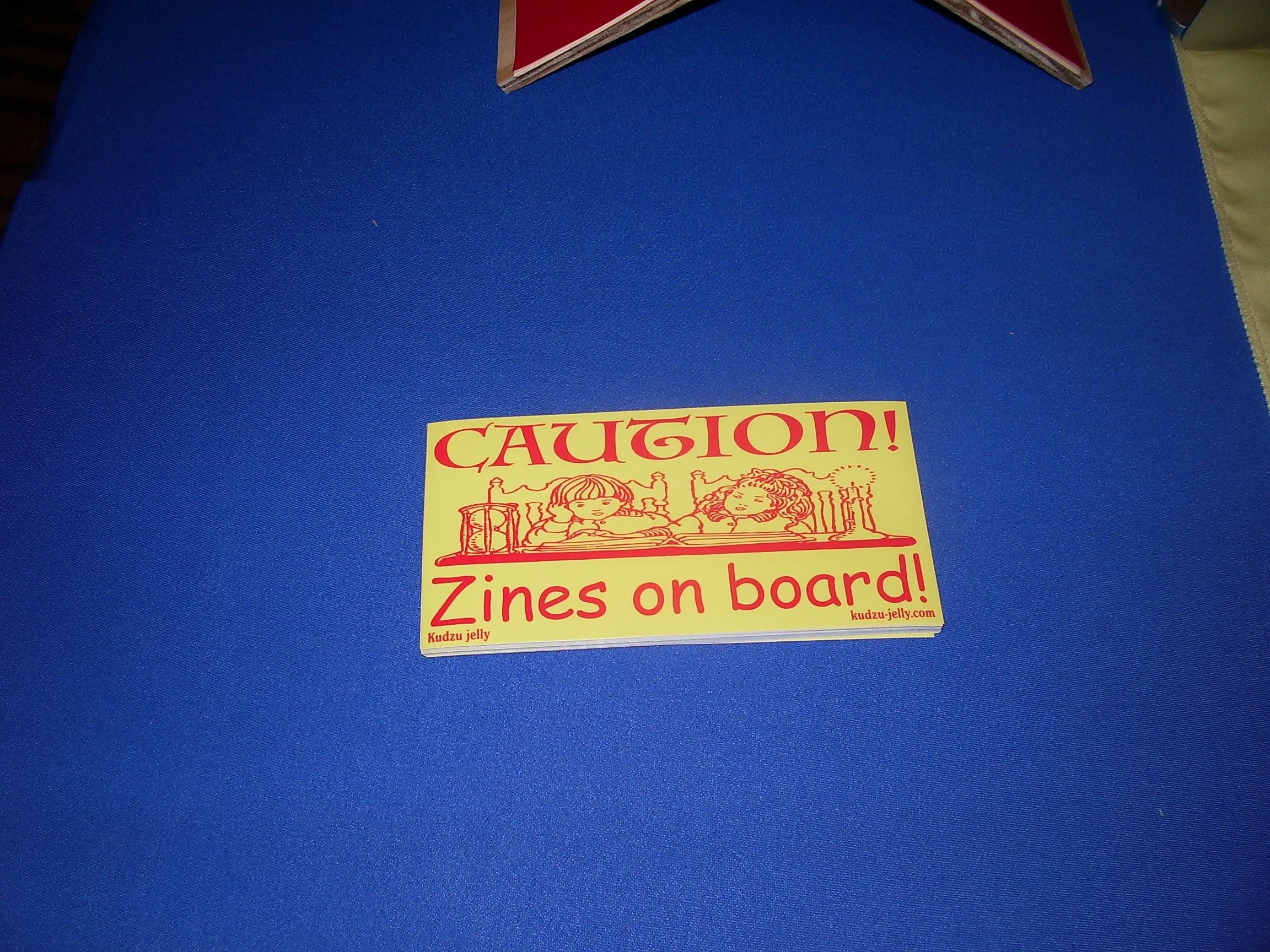
Do you feel maternal toward your zine collection like we do? Make sure they’re strapped in, and slap this sticker on the back of your car.
Red and yellow bumper sticker printed by Gasoline Press. 6×3 inches.
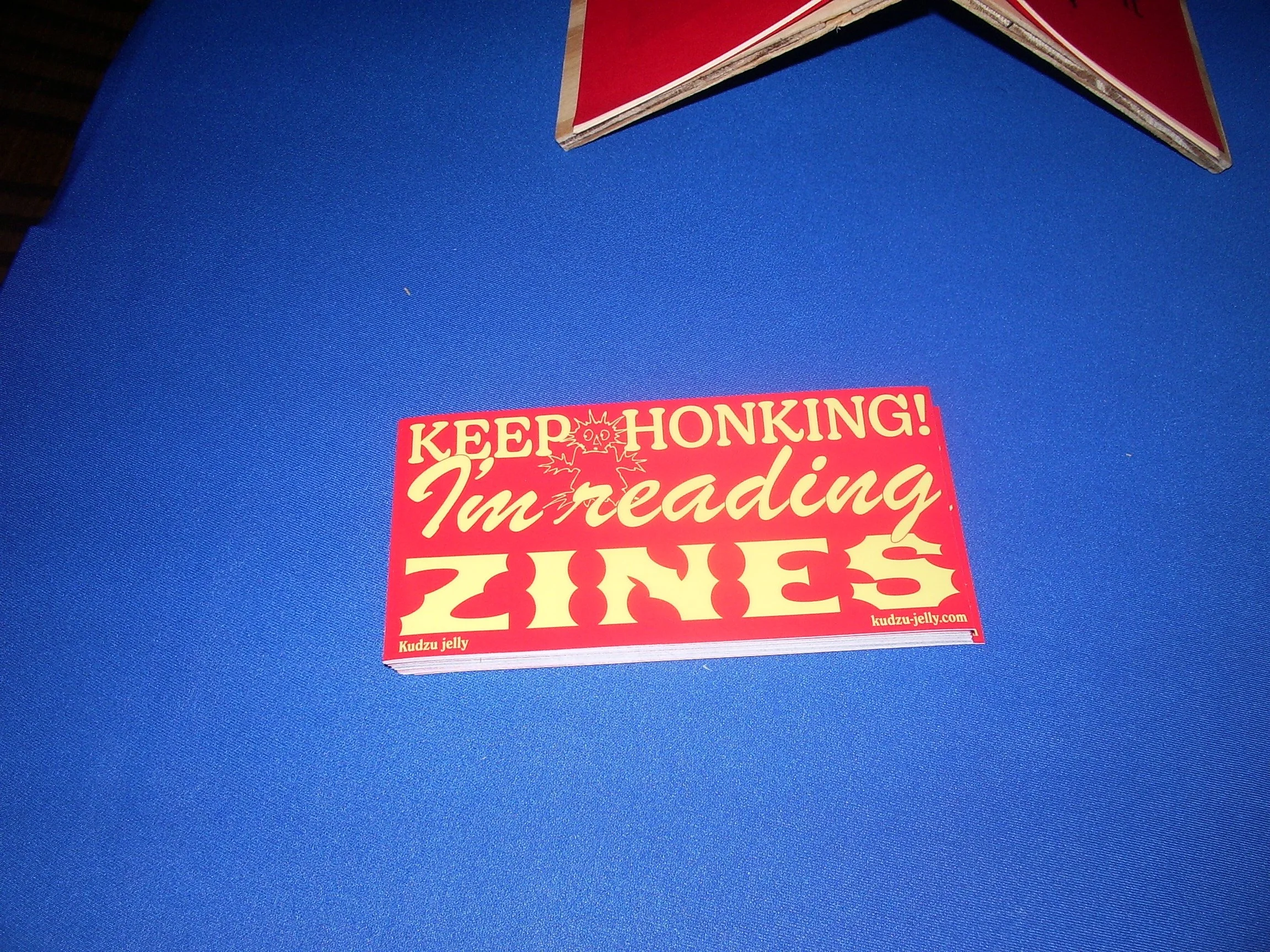
Let that truck riding your ass know: You’re busy!
Red and yellow bumper sticker printed by Gasoline Press. 6×3 inches.
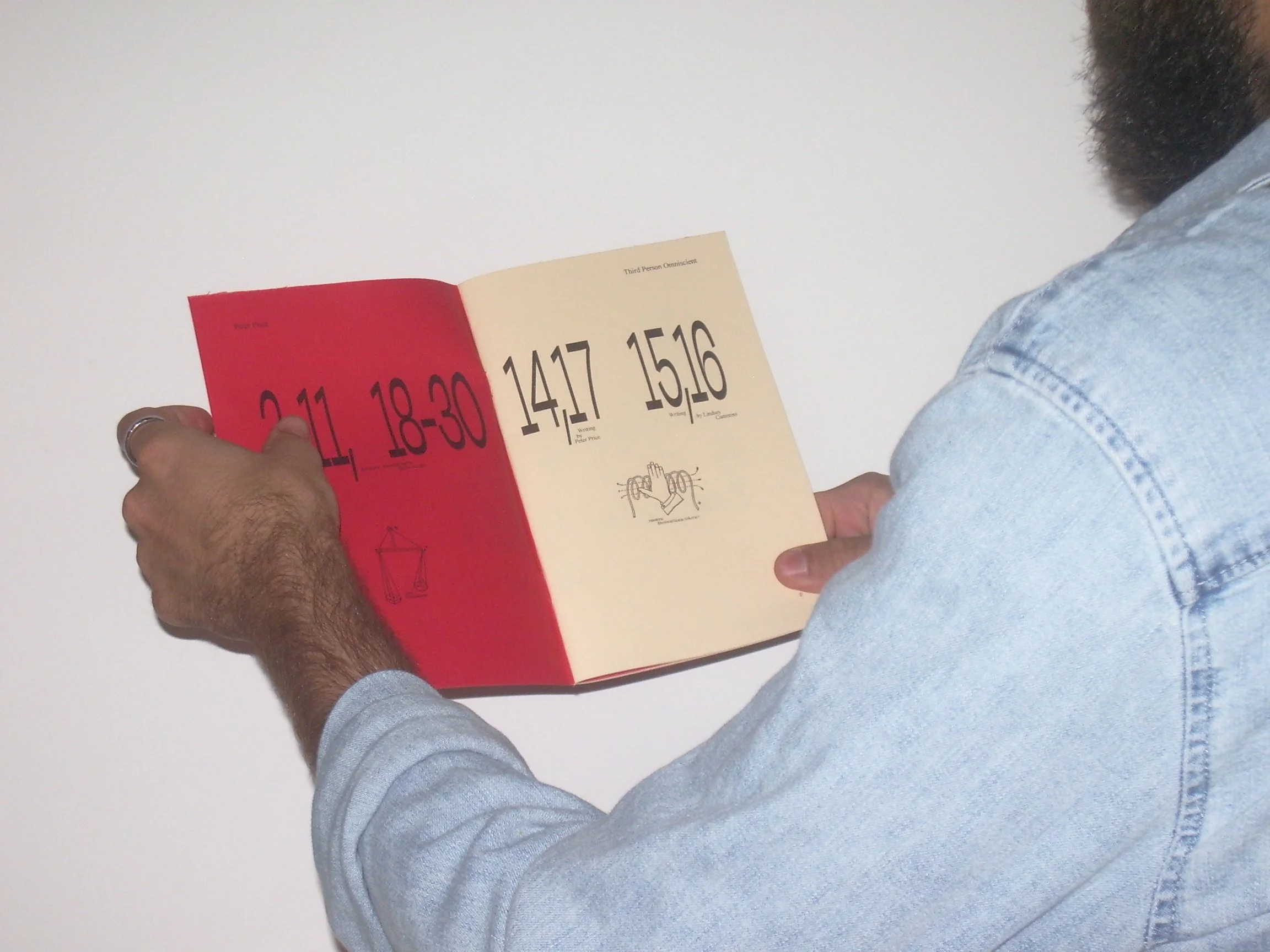
Do you like Death Grips? Esotericism and bestiaries? Old NASA footage? If so, you’re in luck. This zine, in collaboration with Peter Price for his show Third Person Omniscient, is the perfect combination of all of these and more.
Printed by Junior Jr. Press.
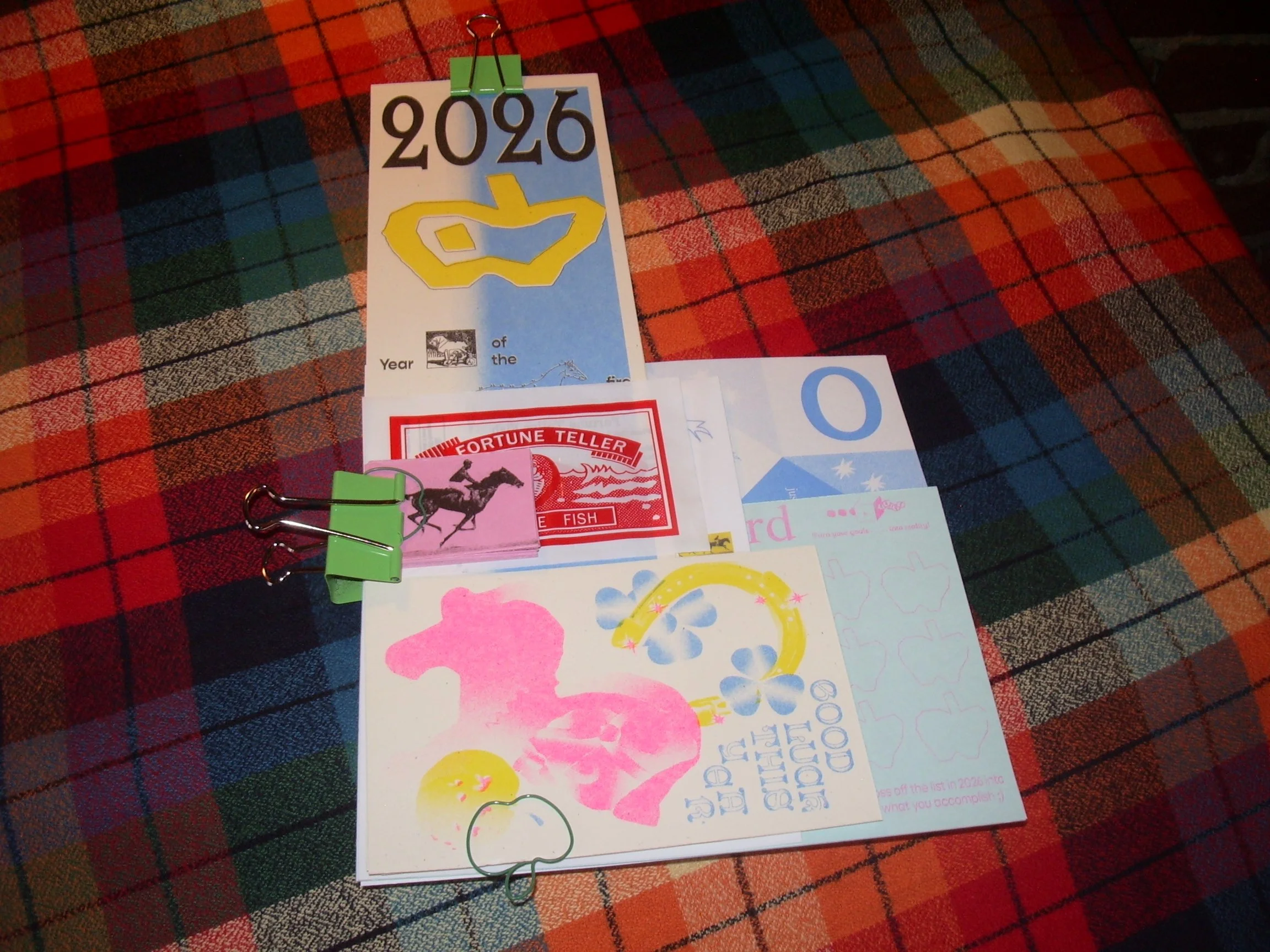
2026 Year of the Horse riso-printed by Junior Jr. Riso and designed by El Bruner and Kacey Slone. It can be bought as a stand-alone calendar, or in a bundle with other printed ephemera relating to the Year of the Horse (bingo card, flipbook, sticker sheet printed by Gasoline Press, postcard, and fortune teller). Limited edition run.
It’s dazzling what seeps into us and how, all these epigenetics and the unknowable hardware of our evolution shaping who and what we are now, both individually and societally.