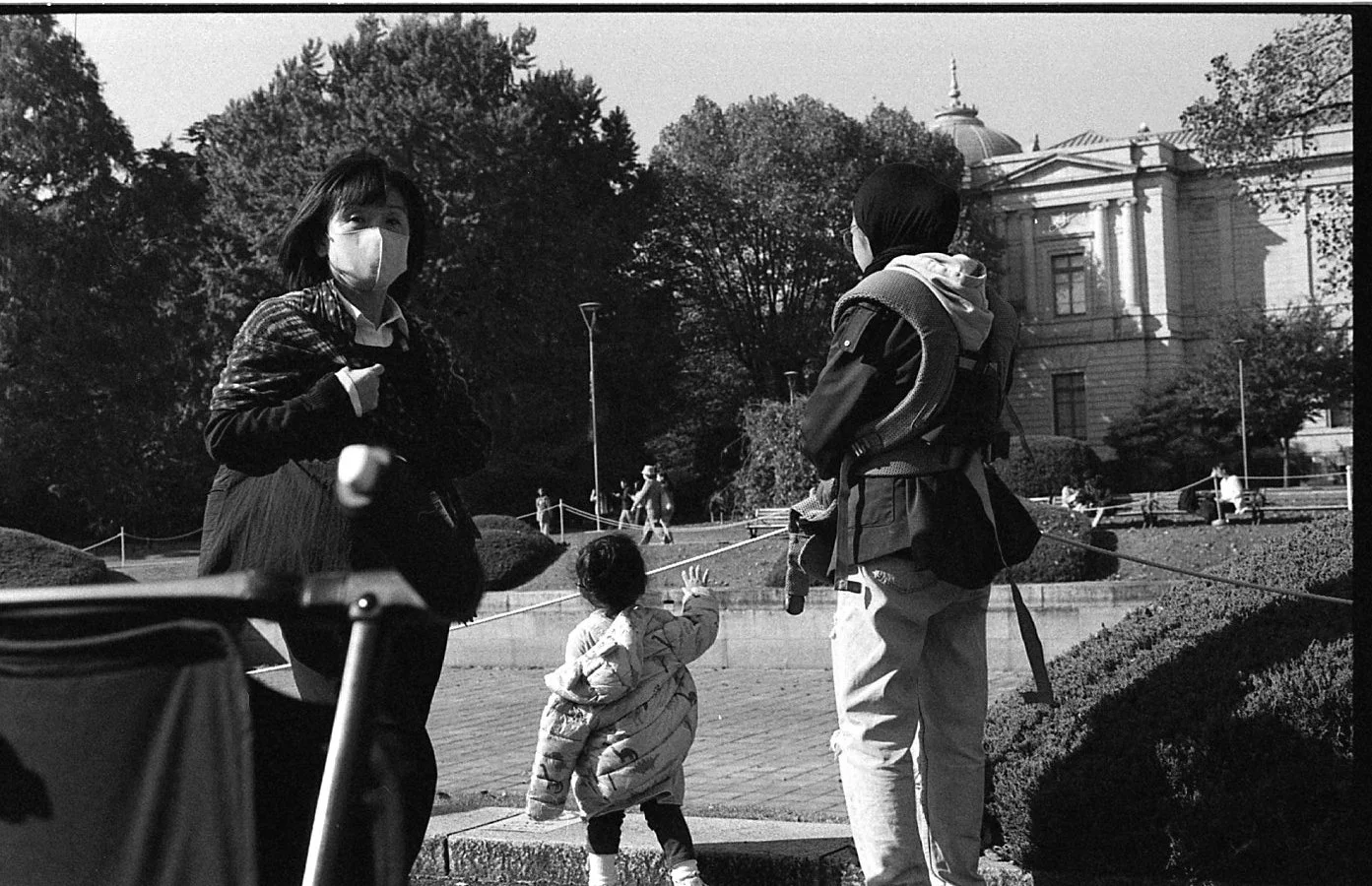
Inverted Ordinary Life: Field Notes from Tokyo
Andrew Cenci reflects on his Great Meadows Foundation Travel Grant
Great Meadows Foundation awards Artist Professional Development Grants (APDG) to Kentucky artists to promote the growth and development of visual art in the state by improving the critical skills, resources, knowledge, and connections of fine artists.
As part of this ongoing series, Kudzu jelly publishes interviews with grantees upon their return, reflecting on their experiences and the ways the grant travel impacted their practice.
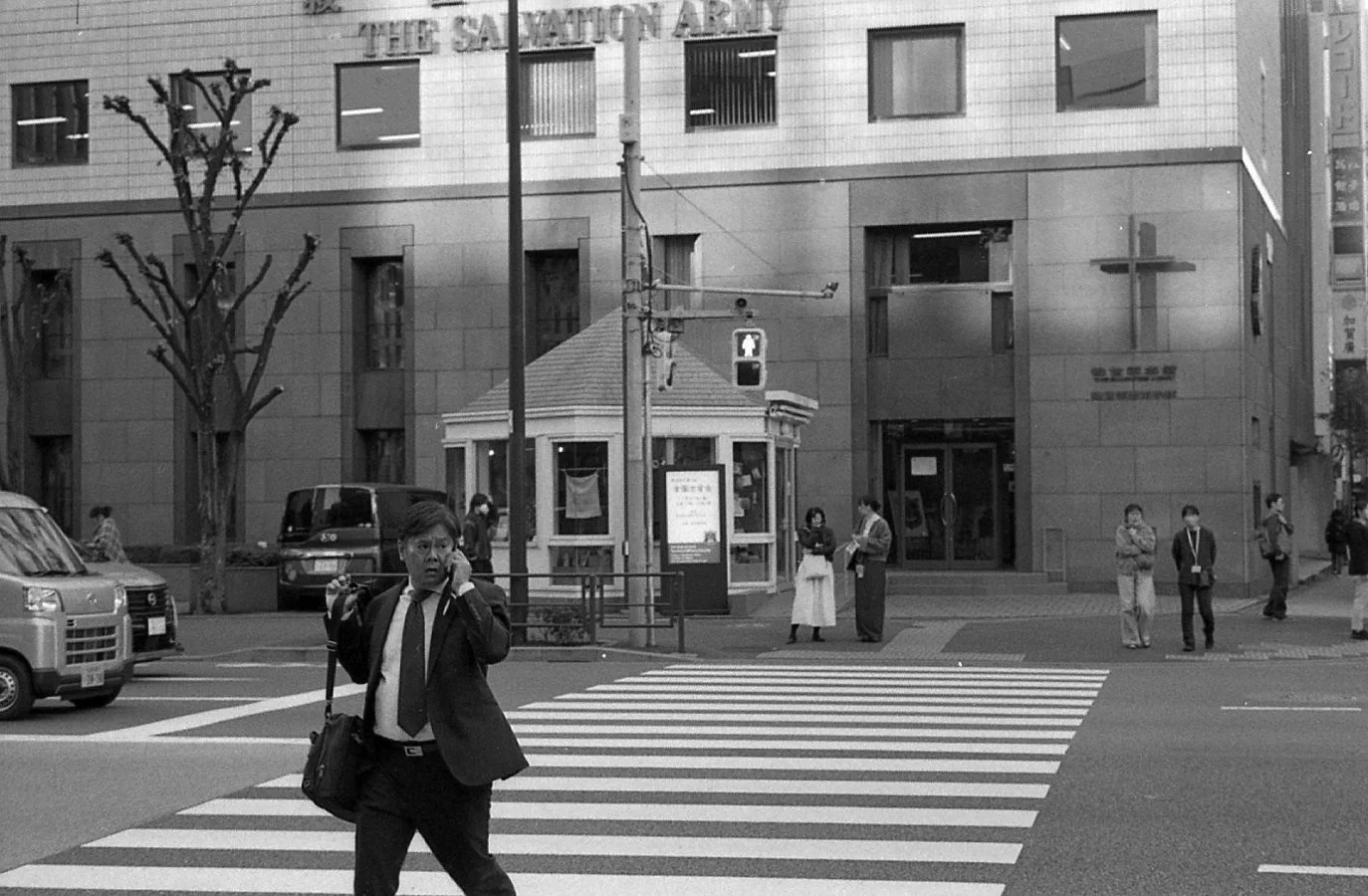
Photo credit: Andrew Cenci
Can you tell us a little bit about your art practice?
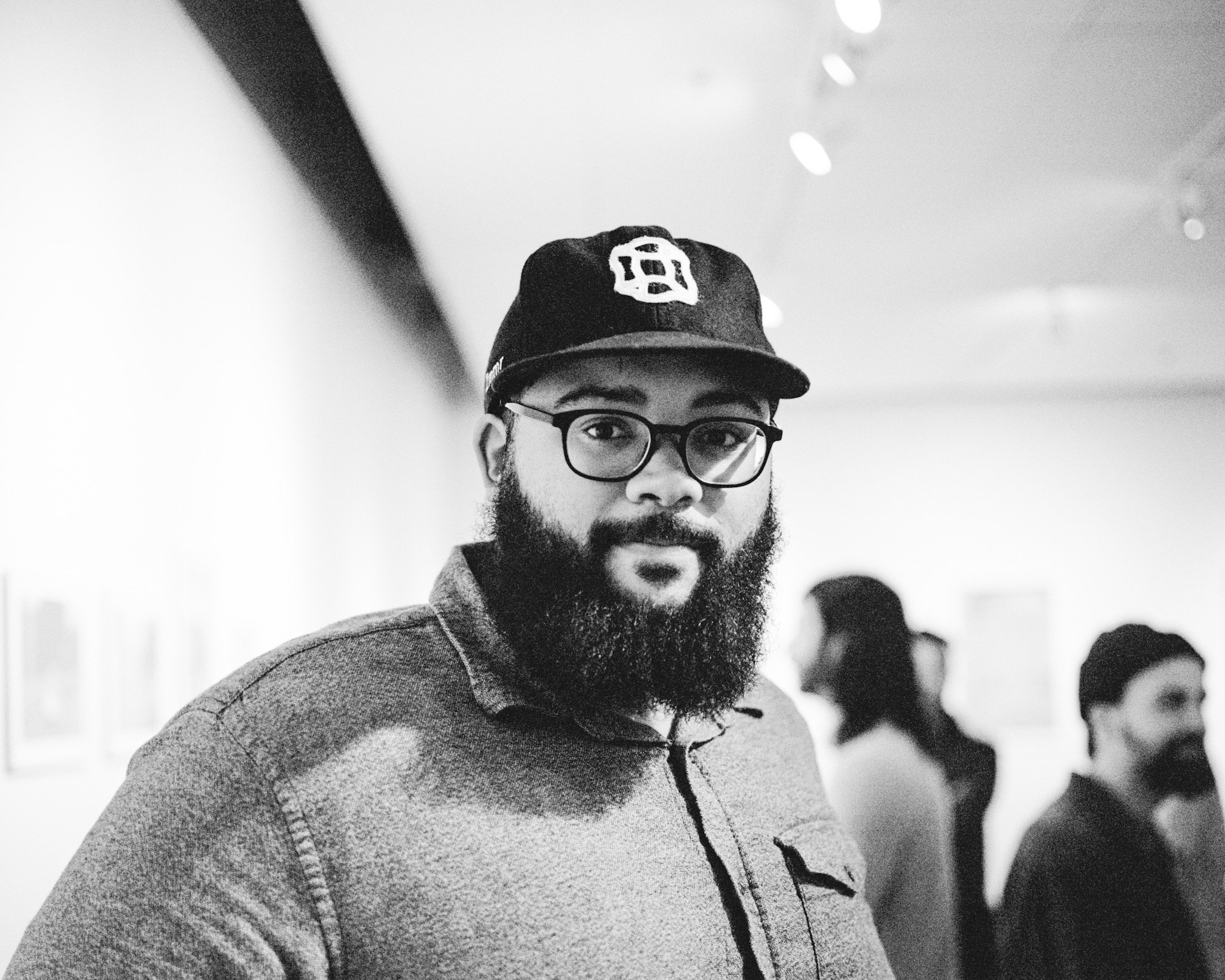
I am a self-taught photographer, and over the past nine years I have worked diligently to find a voice that feels like my own. Most of my work is created on black-and-white film after discovering a love of creating darkroom prints. The first body of work I created began in 2014 and consists of over 2,000 images that combine documentary and portraiture. The series was made in the Shelby Park neighborhood, where I lived until 2023. Since the project’s conclusion, I have been in the process of printing the work, of which I am currently about a quarter of the way through.
Over time, I felt a growing desire to shift my work away from purely documentary or street-style photography and toward using images to tell more intentional stories. That shift in my work led to the creation of a project titled “Baudoinia” that focuses on the intersection of bourbon and the enslaved people of Kentucky. This project has pushed me to think more critically about how images can communicate complex and often overlooked histories. I am currently exploring publishing options for this work.
I have contributed editorial work to The New York Times, The New Yorker, The Guardian, and others. A fellow photographer and I also started a small community called “Kentucky Fried Photo,” where we host monthly events such as photo book meet-ups or critique nights to help foster an environment where local photographers can come and exchange ideas.
What was the focus of your grant application?
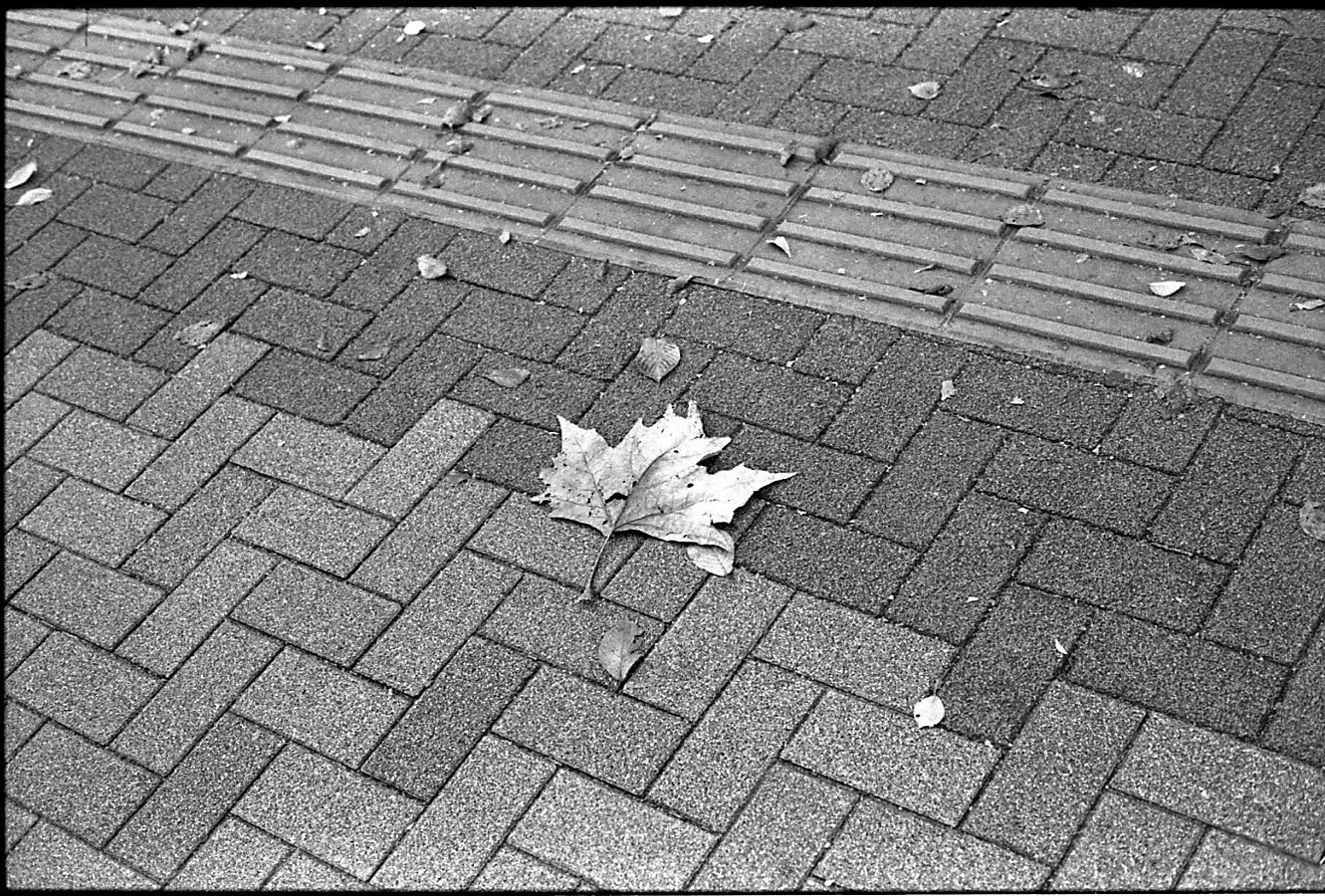
This trip focused on visiting parts of Tokyo Art Week, the Tokyo Biennale, and several other photography-related events throughout the city. I was able to meet with a few other artists and curators in the city to discuss photography, building community, and curation. Much like Japan, this trip would be impossible to condense.
What were the highlights of your experience?
My most impactful day in Tokyo came when I was able to visit the southeast side of the city. I first visited the brand new Leica Store Omotesando in the Shibuya area. It was exhibiting a show of images from two American photographers, French-born Elliott Erwitt, and John Sypal, an American who has been living in Japan for 20 years. The show was a conversation between the two photographers who, despite being from different generations, are using a shared visual language. What interested me most is the way the prints balance between playfulness and sincerity in their depictions of everyday life. Seeing these ordinary, candid moments rendered in shades of gray gives them weight and invites deeper appreciation for beauty in the mundane.
Following the Leica exhibition, and bowl of ramen, I headed to Yebisu to the Tokyo Photographic Art Museum. The exhibitions here helped to change the way I see what an exhibition is, how to display work, and the ways to tell a story utilizing sound, images, and physical objects.
The first and most impactful show I saw was Innervisions by Pedro Costa, a Portuguese filmmaker. Inspired by the 1973 Stevie Wonder album of the same name, the exhibition plunges the viewer into a pitch-black environment that uses light to highlight impactful images, both still and moving. The exhibition disorients the visitor, and allows you to get lost and be overcome by the work. Backlit still images are interspersed with moving images and then you turn a corner and encounter a towering projection. These projections were cast onto thin, silk-like transparent material that held them in a flowing state, creating gigantic double exposures. The way Stevie Wonder’s album explored the connection between society and music, Costa does the same thing with both the moving and still image.
The final exhibition I saw at the museum featured five contemporary Japanese photographers, who each had their own space within the hall. I was personally touched by the images and words of Japanese-Romanian artist Scripcariu-Ochiai Ana, featuring single still images and then a series of five slide projectors. It was all shot on a trip to Romania as the artist sought to connect with another part of her heritage. The work was moving and the poetry beautifully captured the complexity and grief of holding two identities. The other works that have stuck with me from this show were from Oka Tomomi’s exhibition, Inverted Ordinary Life. It consisted of twelve old clocks, each with a different piece of Japanese folklore. “In Jomon Era Japan, it was believed that the other world was the upside-down version of this world. If it was evening here, it was morning there; if it was night here, it was day there.”
How did the experience assist your development and growth as an artist, conceptually and otherwise?
Two things really stuck with me after my trip. The first is the importance of simply beginning, to just start making and publishing work. I have a tendency to hold things back, to wait for the right moment. In Japan, I observed a deep respect for process and for work that is still evolving. Seeing others who took initiative to start their projects, exhibitions, or galleries inspired me.
The second is a new approach to how I think about how art is used within a space. From the darkness of the Pedro Costa exhibition, to the lobby of an office building being used as a regular exhibition space, Tokyo makes use of their spaces in creative and unique ways. I am already thinking of spaces in Louisville that can be utilized as exhibitions and I am thinking about how smaller exhibition spaces can make a big impact. With the amount of small galleries, such as single-piece exhibition rooms tucked into train stations, I can see how we could utilize small, often-overlooked spaces here in Louisville to create places for art.
Are there any other non-art related highlights from your trip?
I think my highlight was getting to have my family on this trip with me. Especially getting to see my six-year-old experience Japan, in all of its beauty and the challenges of travelling so far to such a large city. He did such an amazing job of navigating the stress of traveling on crowded Tokyo subways, the language barrier, and trying new foods. He and I got to go to the Tokyo National Museum together, and it was amazing to walk around with him and see him interact and take in ancient Japanese art and crafts. Although the time change and travel was hard on him and at times made the trip slower, he still talks about the trip. As a parent, being able to share this important experience with him was one of the most meaningful parts of my trip.